
 By
By While applying sunscreen I always get confused . How much should I apply? Some people on the internet say you should apply a table spoon amount and another girl is saying you should follow the ⅔ finger rule. I was like, is this skin care or a mathematical equation to solve? Why is this so complicated?
I know this question must have crossed your mind too, but there’s no need to worry; I’ve done the research and figured out exactly how much to apply—specifically, what the “2-finger” or “3-finger” rule is.
How Much Sunscreen Should You Apply on Your Face?
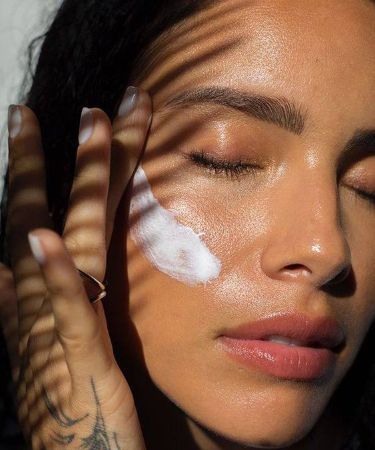
You’ve probably done it before.
You wake up, wash your face, rush through your skincare routine, and quickly spread a tiny drop of sunscreen across your cheeks before heading out the door. It feels like enough. After all, your face is covered, right?
But a few weeks later, you notice your tan getting darker. The acne marks you worked so hard to fade seem more visible. That stubborn pigmentation around your mouth or forehead isn’t improving despite using expensive skincare products.
The surprising truth is that many people wear sunscreen every day and still experience sun damage because they simply aren’t applying enough.
Choosing a good sunscreen is important, but using the correct amount is just as critical. Even the best SPF 50 sunscreen cannot provide its advertised protection if only half the recommended quantity is applied.
This is where many skincare routines quietly fail.
In this guide, you’ll learn exactly how much sunscreen to apply on your face, how the popular two finger rule works, whether the 3-finger rule is better, and how to make sure your skin gets the protection it truly deserves.
Read the article below for more detailsWhy the Amount of Sunscreen Matters
Most people focus on finding the perfect sunscreen. They compare ingredients, SPF numbers, finishes, and reviews.
Yet very few pay attention to the amount they use.
Read the article below for more details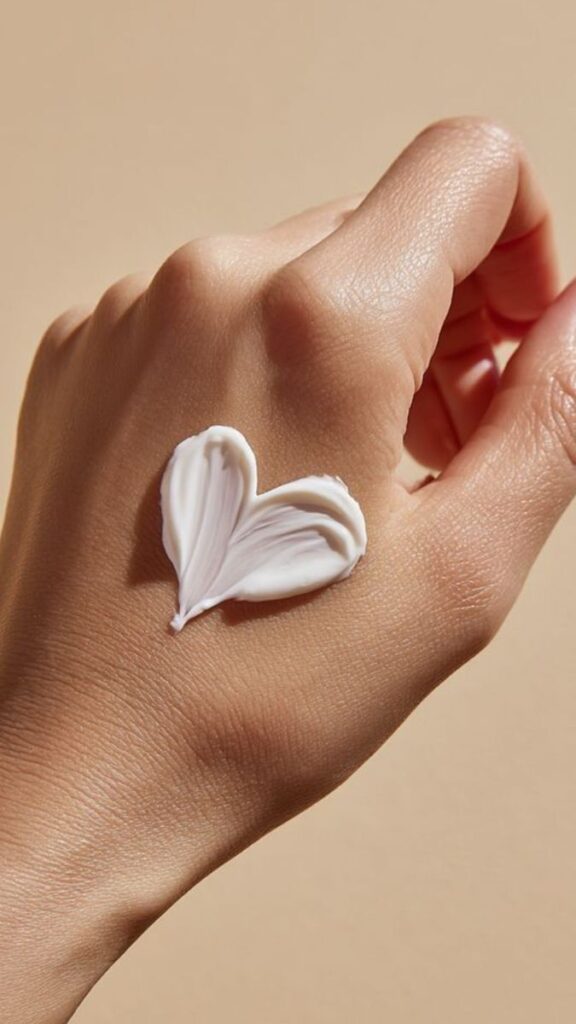
What many don’t realize is that SPF protection is tested in laboratories using a specific quantity of sunscreen. When you apply less than that amount, the protection drops significantly.
Imagine buying a strong umbrella and then only opening half of it during heavy rain. The umbrella isn’t the problem. The coverage is.
The same thing happens with sunscreen.
When too little product is applied, harmful UV rays can still reach your skin, contributing to:
- Premature aging
- Pigmentation
- Tanning
- Fine lines and wrinkles
- Sunburn
- Worsening acne marks
For Indian skin, this is especially important because higher melanin levels can make the skin more prone to post-inflammatory hyperpigmentation and uneven skin tone.
Read the article below for more detailsThe Exact Amount: How Much Sunscreen Should You Apply on Face?
Dermatologists generally recommend applying approximately 1/4 teaspoon of sunscreen for the face alone.
If you’re covering both the face and neck, you’ll typically need around 1/2 teaspoon.
Of course, most people don’t walk around carrying measuring spoons in their skincare bag. That’s why easier methods have become popular.
The most common recommendation is the two finger rule.
This simple technique provides a practical way to estimate the right amount without needing any special tools.
Understanding the Two Finger Rule
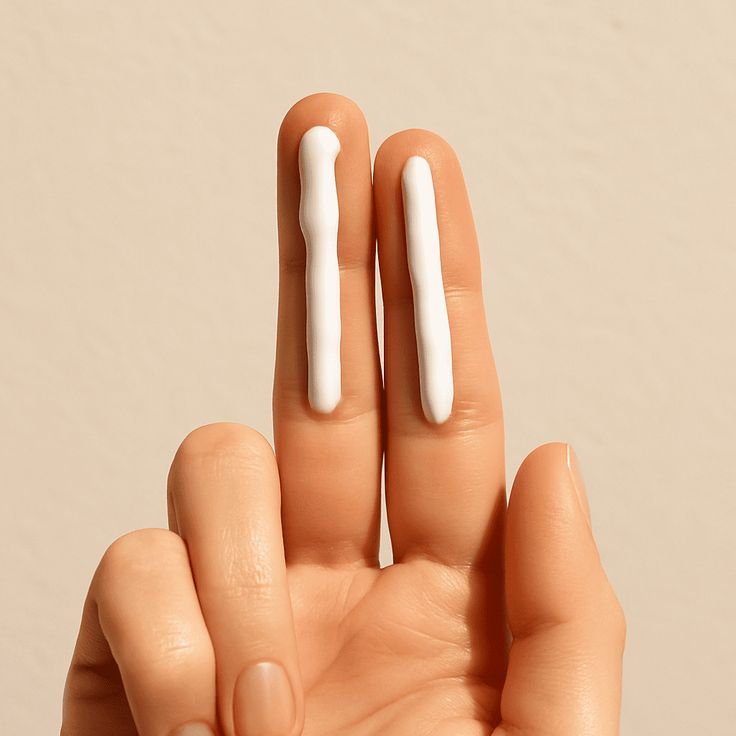
The two finger rule has become one of the most widely discussed skincare tips online—and for good reason.
The method is simple.
Squeeze sunscreen in two straight lines along the length of your index finger and middle finger.
The amount that covers both fingers from base to tip is generally considered sufficient for most faces.
This method helps people avoid one of the biggest sunscreen mistakes: underapplication.
Why People Love the Two Finger Rule
It’s simple.
It’s easy to remember.
And it gives a visual reference that anyone can follow.
Instead of guessing whether a tiny drop is enough, you have a practical guideline that encourages better protection.
Does the Two Finger Rule Work for Everyone?
Not necessarily.
Every face is different.
Someone with a smaller face may need slightly less, while someone with a larger face may need a bit more.
The goal isn’t perfection. The goal is ensuring your skin receives enough coverage to match the SPF protection printed on the bottle.
What Is the 3-Finger Rule Sunscreen Method?
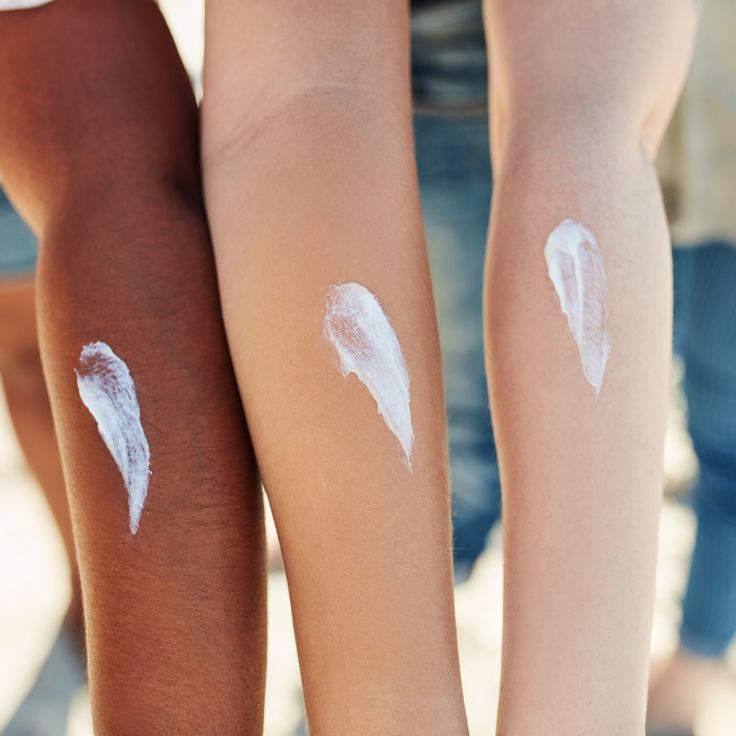
You may have recently come across another trend called the 3-finger rule sunscreen method.
This approach involves applying three full finger lengths of sunscreen instead of two.
Some dermatologists and skincare enthusiasts recommend this method for:
- Larger faces
- Face and neck combined
- Outdoor activities
- High UV index days
- Very fluid sunscreen formulations
The difference between two and three fingers isn’t dramatic, but it can help ensure more complete coverage for those who consistently spend time outdoors.
The key message remains the same: applying slightly more sunscreen is generally better than applying too little.
How to Measure Sunscreen Correctly?
While finger rules are useful, there are several ways to measure sunscreen accurately.
1. The Two Finger Rule
The easiest method for daily use.
2. Measuring Spoon Method
Approximately 1/4 teaspoon for the face.
Approximately 1/2 teaspoon for the face and neck.
3. Pump Method
Some sunscreen bottles provide pumps.
Depending on the formulation, two to four pumps may be enough for the face.
Always check the brand’s recommendations.
4. Layering Method
Many dermatologists suggest applying sunscreen in two thin layers instead of one thick layer.
This can improve coverage and reduce the chances of missing areas.
How to Apply Sunscreen Correctly?
Using enough product is important, but application technique matters too.
Read the article below for better and more detailed understanding of Pigmentation and dark spotsStep 1: Apply Sunscreen as the Last Step of Skincare
After moisturizer and before makeup.
Step 2: Dot It Across Your Face
Place small dots on:
- Forehead
- Nose
- Chin
- Both cheeks
This helps distribute the product evenly.
Step 3: Spread Gently
Use smooth motions to cover the entire face.
Avoid rubbing aggressively.
Step 4: Don’t Forget These Areas
Many people miss:
- Ears
- Hairline
- Eyelids
- Jawline
- Neck
These areas often show signs of sun damage first.
Common Sunscreen Mistakes That Reduce Protection
Even people who use sunscreen daily can make mistakes.
Applying Too Little
This is by far the most common issue.
Applying Only Once Per Day
Sunscreen protection gradually decreases throughout the day.
Skipping Cloudy Days
UV rays can penetrate clouds.
Missing Certain Areas
The corners of the face, ears, and neck are often forgotten.
Relying on Makeup SPF Alone
Foundation and BB creams rarely provide enough protection unless applied in very large amounts.
Read the article below for Summer skincare tips for Indian skinHow Often Should You Reapply Sunscreen?
Think of sunscreen as a shield that slowly wears down over time.
For most situations, reapplication every two hours is recommended when exposed to direct sunlight.
You should also reapply after:
- Sweating heavily
- Swimming
- Towel drying
- Outdoor exercise
If you’re indoors all day and away from windows, frequent reapplication may not be necessary.
Is SPF 30 Enough When Using Tretinoin?
This is one of the most common questions among skincare enthusiasts.
Tretinoin increases skin cell turnover, making the skin more sensitive to sunlight.
While SPF 30 can provide good protection when applied correctly, many dermatologists prefer SPF 50 for individuals using tretinoin regularly.
The higher protection offers an additional safety margin, especially for people dealing with pigmentation or acne marks.
More importantly, applying enough sunscreen consistently matters more than simply choosing a higher SPF.
Is SPF 50 Too High for Face?
No.
This is a common misconception.
SPF 50 is not too strong for facial skin.
In fact, SPF 50 blocks slightly more UVB rays than SPF 30 and is often recommended for people who:
- Spend time outdoors
- Have pigmentation concerns
- Use exfoliating acids
- Use retinoids
- Have a history of sunburn
The texture and formulation of the sunscreen matter far more than the SPF number itself.
Does Sunscreen Affect Hormones?
This topic has gained attention online in recent years.
Some discussions have questioned whether certain sunscreen ingredients may affect hormones.
Current scientific evidence does not support avoiding sunscreen because of these concerns.
The known risks of UV exposure—including skin cancer, pigmentation, premature aging, and sun damage—are well established.
For those who prefer alternative options, mineral sunscreens containing zinc oxide and titanium dioxide are available.
Read the article below for Vitamin C for Indian SkinSigns You’re Not Applying Enough Sunscreen
Your skin often provides clues.
You may not be using enough if you notice:
- Frequent tanning
- New pigmentation
- Darkening acne marks
- Uneven skin tone
- Sunburn despite daily sunscreen use
In many cases, increasing the amount applied can make a noticeable difference.
Have a look on this Blog for more detailsWhy Knowing How Much Sunscreen to Apply Matters
Many people spend time choosing the perfect sunscreen but never learn how much sunscreen to apply for effective protection. The truth is that even the best sunscreen cannot perform as intended if you don’t apply enough of it.
When dermatologists discuss how much sunscreen to apply on the face, they often emphasize that quantity matters just as much as SPF. Learning how much sunscreen to apply every day can help prevent tanning, pigmentation, premature ageing, and long-term sun damage.
If you’ve ever wondered how much sunscreen to apply before leaving the house, the answer is usually more than you think. Most people apply only 25% to 50% of the recommended amount, which significantly reduces the protection they receive.
Understanding how much sunscreen to apply is one of the simplest yet most powerful skincare habits you can develop. Whether you’re using SPF 30, SPF 50, or a mineral sunscreen, applying the correct amount gives your skin the protection it deserves.
Why Proper Sunscreen Application Matters for Indian Skin
Indian skin has many strengths.
Its natural melanin offers some protection against UV damage.
However, it also means the skin can be more susceptible to long-lasting pigmentation.
A small pimple can leave a mark.
A few days of sun exposure can deepen tanning.
A missed sunscreen application can undo weeks of skincare progress.
That’s why understanding how much sunscreen to apply is so important.
The goal isn’t just preventing sunburn.
It’s protecting the healthy, even-toned skin you’re working so hard to achieve.
Have a look on this Blog for tan removal for Indian skinFrequently Asked Questions on How much Sunscreen should we apply
If you’re wondering how much sunscreen you should apply to your face per day, dermatologists generally recommend about 1/4 teaspoon of sunscreen for the face alone. This amount helps ensure your skin receives the SPF protection stated on the label. If you’re spending time outdoors, remember that sunscreen should be reapplied every two hours. Understanding how much sunscreen to apply daily can make a significant difference in preventing tanning, pigmentation, and premature ageing.
Knowing how much sunscreen to use on your face daily is one of the most important skincare habits you can develop. Most adults need approximately 1/4 teaspoon of sunscreen for the face. Applying less than this amount may reduce the effectiveness of your SPF protection. Daily sunscreen use helps protect your skin from UV damage, dark spots, and uneven skin tone.
When measuring how much sunscreen to use on the face in teaspoons, the standard recommendation is 1/4 teaspoon for the face and 1/2 teaspoon for the face and neck combined. While most people don’t use measuring spoons every morning, these guidelines help you understand the correct amount of sunscreen needed for proper protection.
People with oily skin often ask how much sunscreen should you apply on your face for oily skin. The answer is simple: the amount remains the same regardless of skin type. Even if your skin feels greasy, you should still apply around 1/4 teaspoon of sunscreen. Instead of reducing the amount, choose a lightweight gel sunscreen or a matte-finish formula designed for oily skin.
A sunscreen calculator can help estimate how much sunscreen to apply based on the area you’re covering. For the average adult, the calculation is straightforward:
- Face only: 1/4 teaspoon
- Face and neck: 1/2 teaspoon
- Face, neck, and ears: Slightly more than 1/2 teaspoon
If you don’t want to calculate exact measurements, the two-finger rule offers a practical alternative.
The two-finger rule is one of the easiest ways to understand how much sunscreen to use on the face correctly. Simply squeeze sunscreen along the length of your index finger and middle finger. This amount is generally enough to cover the face adequately. The two-finger rule has become popular because it helps people avoid underapplying sunscreen while making daily application simple and convenient.
Many people believe they can use less product when using SPF 50, but that’s not true. If you’re wondering how much sunscreen to use on your face, SPF 50, the answer is exactly the same as SPF 30. You still need approximately 1/4 teaspoon or the equivalent of the two-finger rule. Applying the correct amount is essential if you want to receive the full SPF 50 protection.
According to dermatologists, how much sunscreen to use on the face depends on the surface area being covered. Most experts recommend approximately 2 milligrams of sunscreen per square centimetre of skin, which translates to about 1/4 teaspoon for the face. Dermatologists also recommend applying sunscreen generously and reapplying throughout the day when exposed to sunlight. Their advice is consistent: using enough sunscreen is just as important as choosing the right sunscreen.
Conclusion
When it comes to protecting your skin, understanding how much sunscreen to apply can make a bigger difference than many people realize. The right amount of sunscreen helps ensure you receive the SPF protection promised on the label while reducing the risk of tanning, pigmentation, and premature ageing.
Whether you follow the two-finger rule, measure 1/4 teaspoon, or rely on dermatologist recommendations, knowing how much sunscreen to apply every day is essential for healthy skin. If you’re still unsure how much sunscreen to apply on your face, remember that applying slightly more is usually better than applying too little.
Your skincare routine can only work at its best when your skin is protected. By learning how much sunscreen to apply and making it a daily habit, you’re giving your skin the care and protection it needs for years to come.