

 By
By Every time you look in the mirror and notice a stubborn dark spot left behind by a pimple, it can feel frustrating. For many Indians, pigmentation is one of the most common skincare concerns. Whether it’s acne marks, sun damage, uneven skin tone, or melasma, these issues often seem to linger far longer than we would like.
If you’ve spent months trying home remedies, expensive facials, or trending skincare products without seeing lasting results, you’re not alone. The good news is that one ingredient has consistently earned the trust of dermatologists and skincare enthusiasts worldwide: Vitamin C.

When used correctly, Vitamin C for Indian Skin can become a game-changing addition to your skincare routine. It not only brightens the complexion but also helps reduce pigmentation, fade acne scars, protect against environmental damage, and support healthy skin aging.
In this comprehensive guide, you’ll learn everything you need to know about using Vitamin C effectively for Indian skin types and climates.
Understanding Pigmentation in Indian Skin
Indian skin typically falls within Fitzpatrick skin types III to V. These skin types naturally contain higher levels of melanin, which provides some protection against UV damage. However, this increased melanin production also means the skin is more prone to hyperpigmentation.
A tiny trigger can sometimes leave behind a noticeable mark. Common causes include:
- Acne and post-inflammatory hyperpigmentation
- Sun exposure
- Hormonal changes
- Skin irritation
- Pollution
- Improper skincare practices
Unlike redness that appears on lighter skin tones, Indian skin often develops brown, grey, or darker patches that can persist for months.
This is where Vitamin C can play a powerful role.
If you want to know more about the importance of Vitamin C for your skin, then
👇🏻👇🏻👇🏻👇🏻Why Dermatologists Recommend Vitamin C for Indian Skin
Many skincare experts recommend Vitamin C for Indian Skin because it addresses multiple concerns at once. Indian skin is often exposed to intense sunlight, pollution, humidity, and heat, all of which can contribute to pigmentation and uneven skin tone. By incorporating Vitamin C for Indian Skin into your daily routine, you can target dark spots while also protecting your skin from environmental damage.
Why Indian Skin Needs Vitamin C
Indian skin faces unique environmental challenges that make Vitamin C particularly beneficial.
Constant Sun Exposure
India experiences strong sunlight throughout most of the year. Even brief daily exposure can cause pigmentation.
Daily exposure to UV rays can gradually make dark spots appear more prominent. Vitamin C for Indian Skin helps combat this by reducing oxidative stress and supporting a more even skin tone.
We have also covered Summer Skin Care Tips for Indian skin tone
👇🏻👇🏻👇🏻👇🏻Pollution and Urban Living
From busy city streets to industrial areas, pollution has become a reality for millions of Indians. Tiny pollution particles can penetrate the skin barrier and trigger inflammation, dullness, and premature aging.
Vitamin C acts like a protective shield, helping the skin defend itself against environmental aggressors while restoring brightness.
Post-Acne Marks Are Common

Many people struggle with acne during their teenage years and adulthood. While pimples may disappear within days, the marks they leave behind often stay for months.
One of the most loved benefits of Vitamin C is its ability to gradually fade post-inflammatory hyperpigmentation, making skin appear clearer and more radiant over time.
Best Age to Start Using Vitamin C for Indian Skin
One of the most common questions people ask is when they should start using Vitamin C for Indian Skin. The answer is surprisingly simple: as soon as you begin noticing concerns like dullness, sun damage, acne marks, or uneven skin tone. Many people start using Vitamin C for Indian Skin in their early twenties as a preventive skincare step, while others discover its benefits later when pigmentation becomes more noticeable.
How Vitamin C Helps Fade Dark Spots and Pigmentation
When people first start using Vitamin C, they often expect overnight results. But skincare is a journey, not a race.
Imagine looking at old acne marks that once seemed permanent and noticing them slowly becoming lighter every week. That’s where the magic of consistency comes in.
Here’s how Vitamin C works:
1. Inhibits Melanin Production
Vitamin C helps reduce the activity of tyrosinase, an enzyme involved in melanin production.
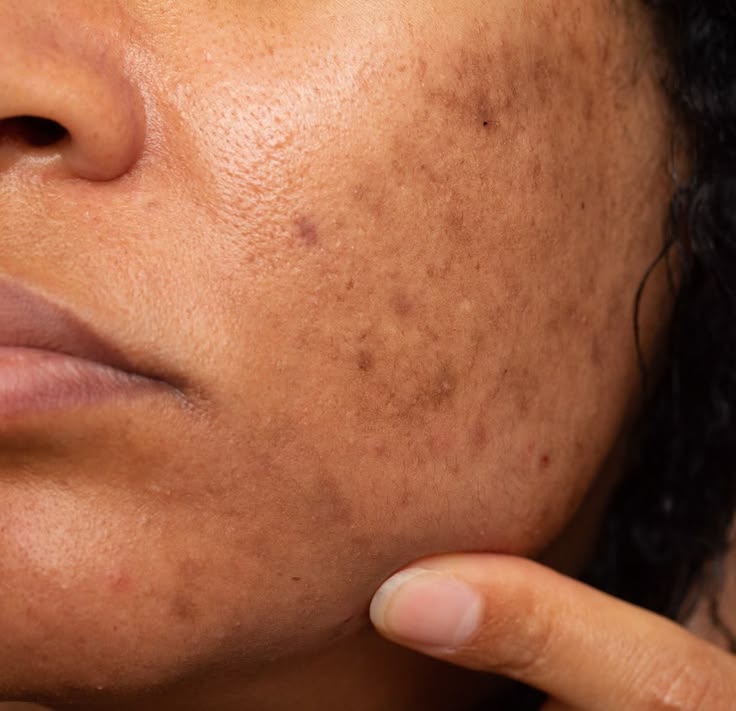
Less melanin production means:
- Reduced dark spots
- Improved skin clarity
- Brighter complexion
- More even skin tone
2. Accelerates Skin Repair
Vitamin C supports the skin’s natural healing process.
This is especially beneficial for:
- Acne scars
- Sun spots
- Inflammation-induced pigmentation
- Minor skin damage
3. Brightens Dull Skin
Sometimes skin doesn’t necessarily have pigmentation—it simply looks tired and lifeless.
Vitamin C helps restore luminosity, making skin appear naturally healthy rather than artificially bright.
4. Supports Collagen Production
Collagen is responsible for maintaining skin firmness and elasticity.
As we age, collagen production slows down. Vitamin C encourages collagen synthesis, helping skin look smoother, firmer, and more youthful.
Can Sensitive Skin Use Vitamin C for Indian Skin?
People with sensitive skin often worry about irritation. Fortunately, there are several gentle formulations of Vitamin C for Indian Skin that offer brightening benefits without causing redness or discomfort. Starting with a lower concentration allows sensitive skin to gradually adapt while still enjoying the advantages of Vitamin C for Indian Skin.
The Best Forms of Vitamin C for Humid Climates
Not all Vitamin C serums are created equal.
India’s climate ranges from humid coastal regions to hot tropical cities and dry northern areas. Choosing the right form of Vitamin C can make a significant difference.
L-Ascorbic Acid
This is the purest and most researched form of Vitamin C.
Pros
- Highly effective
- Fast results
- Strong antioxidant protection
Cons
- Can be unstable
- May irritate sensitive skin
- Requires careful packaging
Best suited for experienced skincare users.
Sodium Ascorbyl Phosphate
A gentler derivative that works well for acne-prone skin.
Benefits
- Less irritating
- Stable formulation
- Suitable for beginners
- Helps reduce breakouts
Ideal for oily and acne-prone Indian skin.
For more details on Sodium Ascorbyl Phosphate
👇🏻👇🏻👇🏻👇🏻Magnesium Ascorbyl Phosphate
This form is known for its soothing and hydrating properties.
Best For
- Dry skin
- Sensitive skin
- Dehydrated skin
It offers gradual brightening with minimal irritation.
Ethyl Ascorbic Acid
One of the most popular forms in modern skincare.
Why It’s Loved
- Stable in hot climates
- Lightweight texture
- Effective brightening
- Suitable for most skin types
For many Indians living in humid regions, Ethyl Ascorbic Acid strikes an excellent balance between effectiveness and comfort.
Choosing the Right Vitamin C Serum for Your Skin Type
Oily Skin
Look for:
- Lightweight formulas
- Water-based serums
- Non-comedogenic ingredients
Avoid heavy oils that may feel greasy in humid weather.
Dry Skin
Choose formulations containing:
- Hyaluronic acid
- Glycerin
- Ceramides
These ingredients help maintain hydration while Vitamin C brightens the skin.
Sensitive Skin
Start with:
- Lower concentrations
- Stable Vitamin C derivatives
- Fragrance-free formulas
Introduce the product slowly to minimize irritation.
Combination Skin
A balanced serum with hydrating and brightening ingredients works best.
Combination skin often benefits from medium-strength formulations between 10% and 15%.
How to Layer Vitamin C in Your Skincare Routine
One of the biggest mistakes people make is using great products in the wrong order.
Even the most expensive Vitamin C serum won’t deliver optimal results if layered incorrectly.
Follow this simple routine:
Morning Routine
Step 1: Cleanser
Use a gentle cleanser suitable for your skin type.
Step 2: Vitamin C Serum
Apply 2–3 drops to clean, dry skin.
Allow it to absorb for one to two minutes.
Step 3: Moisturizer
Lock in hydration and support the skin barrier.
Step 4: Sunscreen
This step is non-negotiable.
Vitamin C works best when paired with SPF protection.
Without sunscreen, new pigmentation can continue developing despite treatment.
Best sunscreens for Indian Skin tone
👇🏻👇🏻👇🏻👇🏻Can Vitamin C Be Used with Other Active Ingredients?
Yes, but understanding combinations can improve results dramatically.
Vitamin C and Niacinamide
Once considered incompatible, these ingredients work beautifully together.
Benefits include:
- Reduced pigmentation
- Better skin barrier support
- Improved brightness
- Balanced oil production
Vitamin C and Hyaluronic Acid
A powerful hydration and glow combination.
This pairing helps skin appear:
- Plumper
- Healthier
- More radiant
Vitamin C and Retinol
These ingredients can be used in the same routine but are often better separated.
A common approach:
- Vitamin C in the morning
- Retinol at night
This minimizes irritation while maximizing benefits.
Vitamin C and Exfoliating Acids
Be cautious when combining Vitamin C with strong AHAs or BHAs.
If you’re new to active ingredients, alternate usage days until your skin adjusts.
Common Mistakes That Slow Down Results
Many people give up on Vitamin C because they’re unknowingly making mistakes.
Expecting Instant Results
Pigmentation takes time to fade.
Visible improvements typically appear after several weeks of consistent use.
Skipping Sunscreen
This is perhaps the biggest mistake.
Without sun protection, your skin continues creating new pigmentation.
Using Too Much Product
More serum does not mean faster results.
A few drops are usually enough for the entire face.
Storing It Incorrectly
Vitamin C can degrade when exposed to:
- Heat
- Light
- Air
Store your serum in a cool, dry place.
Why Consistency Matters with Vitamin C for Indian Skin
Consistency is the secret behind successful results with Vitamin C for Indian Skin. Using the product occasionally will not deliver the same benefits as daily application. When Vitamin C for Indian Skin becomes part of your everyday skincare ritual, the cumulative effects become increasingly visible over the following months.
Signs Your Vitamin C Serum Has Oxidised
An oxidized serum becomes less effective.
Watch for:
- Dark orange color
- Brown appearance
- Unusual smell
- Changes in texture
If you notice these signs, it may be time to replace the product.
How Long Does It Take to See Results?
This is the question almost everyone asks.
The answer depends on the severity of pigmentation, skin type, and consistency.
After 2–4 Weeks
- Improved glow
- Healthier complexion
- Reduced dullness
After 6–8 Weeks
- Fading acne marks
- More even skin tone
- Increased brightness
After 3–6 Months
- Significant pigmentation reduction
- Smoother texture
- Noticeably healthier skin
The key is patience. Every application is a small investment in your future skin.
Realistic Expectations When Using Vitamin C for Indian Skin
Many people begin using Vitamin C for Indian Skin, hoping for an instant transformation. While improvements in brightness can appear within a few weeks, deeper pigmentation requires patience. The journey with Vitamin C for Indian Skin is often gradual, but the results are worth waiting for. Over time, dark spots become less visible, skin tone becomes more balanced, and your natural glow begins to return.
Emotional Benefits of Clearer Skin
Skincare isn’t just about appearance.
Many people don’t talk about how pigmentation affects confidence.
Perhaps you’ve avoided photographs because of acne marks.
Maybe you’ve spent extra time covering dark spots with makeup before important events.
Or maybe you’ve simply wished your skin looked as healthy on the outside as you feel on the inside.
When pigmentation begins to fade, the change is often deeper than skin level. Confidence returns. Smiles become more genuine. Looking in the mirror feels less like criticism and more like appreciation.
That’s why Vitamin C has become such a beloved ingredient—it helps people feel comfortable in their own skin again.
Conclusion
If you’re struggling with dark spots, uneven skin tone, acne marks, or stubborn pigmentation, incorporating Vitamin C for Indian Skin into your daily routine can be one of the most rewarding skincare decisions you make. Its ability to brighten the complexion, reduce excess melanin production, support collagen synthesis, and protect against environmental damage makes it a true multitasking powerhouse.
The journey toward clearer skin requires patience, consistency, and proper sun protection. Results may not appear overnight, but each day of use brings you one step closer to healthier, more radiant skin. Combined with a well-balanced skincare routine and sunscreen, Vitamin C can help transform not just your complexion, but also the confidence you carry every day.
Remember, beautiful skin isn’t about perfection. It’s about feeling comfortable, confident, and happy in the skin you’re in. And with the right Vitamin C routine, that goal is absolutely within reach.
If there is one ingredient that deserves a permanent place in your skincare routine, it is Vitamin C for Indian Skin. From reducing pigmentation and dark spots to enhancing radiance and supporting healthy aging, Vitamin C for Indian Skin offers benefits that extend far beyond simple brightening. With patience, consistency, and proper sun protection, Vitamin C for Indian Skin can help reveal a clearer, more confident version of yourself.