
 By
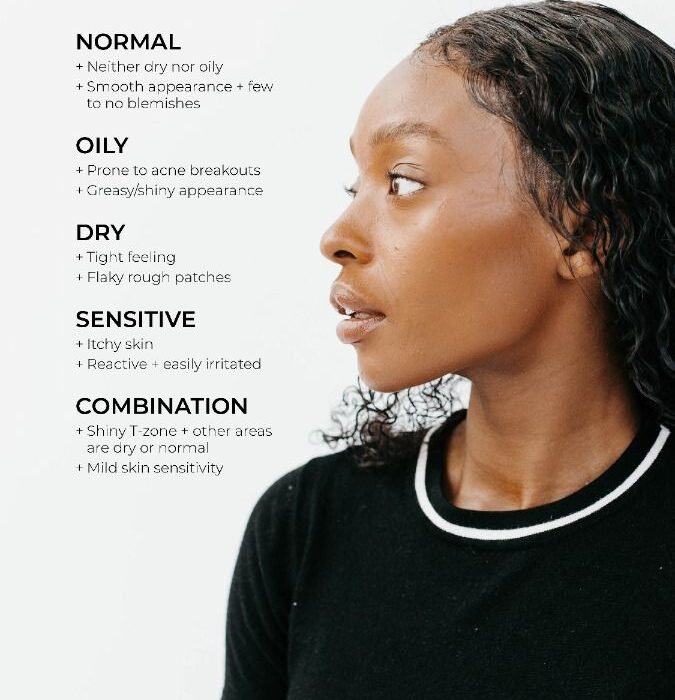
By How to Know Your Skin Type at Home is one of the most important things to learn before investing in skincare products. Many people purchase skincare products because they are trending on social media or recommended by influencers, only to discover that those products make their skin worse. The reason is simple: the product may not be suitable for their skin type. Learning How to Know Your Skin Type at Home can help you make better skincare choices and avoid wasting money on products that don’t work for your skin.
The good news is that you don’t need expensive equipment or a dermatologist appointment to figure it out. With a simple at-home test that takes just a few minutes, you can learn whether you have oily, dry, combination, normal, or sensitive skin.
In this guide, we’ll walk you through a quick and easy skin type test, explain the characteristics of each skin type, and share practical skincare tips to help you maintain healthy, glowing skin.
Why Knowing Your Skin Type Matters
Before building a skincare routine, it is essential to understand your skin’s unique needs. Different skin types require different ingredients and products. A moisturizer designed for dry skin may feel too heavy on oily skin, while a cleanser formulated for oily skin may leave dry skin feeling tight and uncomfortable.
When you understand How to Know Your Skin Type at Home, you can:
- Choose products that match your skin’s needs
- Prevent irritation and breakouts
- Save money on ineffective products
- Create a personalized skincare routine
- Maintain healthier and more balanced skin
Why Knowing Your Skin Type Is Important
Your skin type affects how your skin behaves throughout the day and how it reacts to skincare products. Using products designed for the wrong skin type can lead to a variety of problems, including:
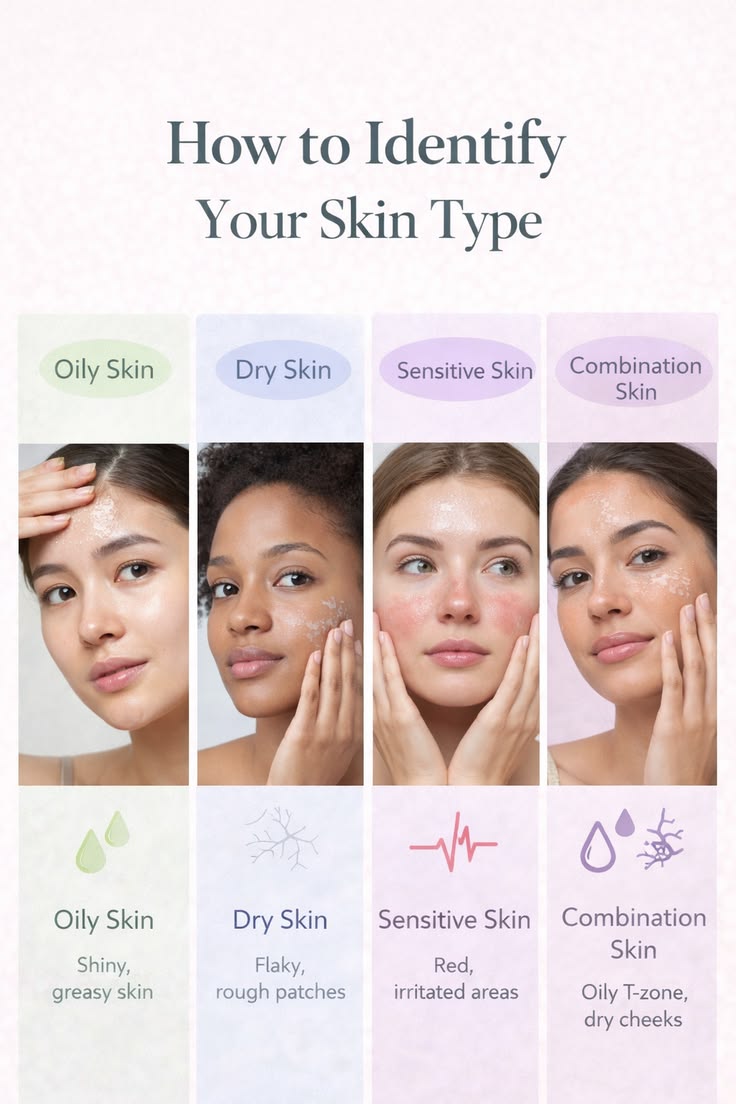
- Increased acne and breakouts
- Dryness and flaking
- Excess oil production
- Irritation and redness
- Premature aging
- Uneven skin texture
For example, if you have dry skin and use products meant for oily skin, your skin may become even drier and more irritated. Similarly, using heavy moisturizers on oily skin can clog pores and cause breakouts.
Once you understand your skin type, you can build a skincare routine that addresses your skin’s unique needs and helps maintain a healthy balance.
The Simple 3-Minute Skin Type Test
One of the easiest ways to identify your skin type is through a basic observation test. This method requires no special tools and can be done at home.
Step 1: Cleanse Your Face

Start by washing your face with a gentle cleanser. Make sure you remove all makeup, sunscreen, dirt, and skincare products.
Avoid using harsh cleansers that strip the skin of its natural oils, as this can affect the accuracy of the test.
After cleansing, gently pat your face dry with a clean towel.
Step 2: Leave Your Skin Bare

Do not apply any products after washing your face. This means no moisturizer, toner, serum, facial oil, or sunscreen.
Allow your skin to remain completely bare for about 30 minutes. During this time, your skin will naturally return to its normal state.
Step 3: Examine Your Skin

After 30 minutes, look closely at your skin in a mirror and pay attention to how it feels.
Ask yourself the following questions:
- Does your skin feel tight?
- Does it appear shiny?
- Are some areas oily while others feel dry?
- Is there any redness or irritation?
- Does your skin feel balanced and comfortable?
Your answers will help determine your skin type.
Skin Type Results Explained
1. Dry Skin
If your skin feels tight, rough, or uncomfortable after cleansing, you most likely have dry skin.
Common Signs of Dry Skin:

- Tightness after washing
- Flaky or peeling skin
- Rough texture
- Dull appearance
- Fine lines that appear more noticeable
What Causes Dry Skin?
Several factors can contribute to dry skin, including:
- Cold or dry weather
- Hot showers and baths
- Harsh soaps and cleansers
- Over-exfoliation
- Aging
- Dehydration
- Certain skin conditions such as eczema
Dry skin occurs when the skin doesn’t produce enough natural oil to maintain moisture levels. Weather conditions, aging, and harsh skincare products can make dryness worse.
Click Here to Read more about dry skinBest Skincare Tips for Dry Skin:
- Use hydrating cleansers
- Apply a rich moisturizer daily
- Look for ingredients like hyaluronic acid, glycerin, and ceramides
- Avoid excessive exfoliation
- Drink plenty of water
2. Oily Skin
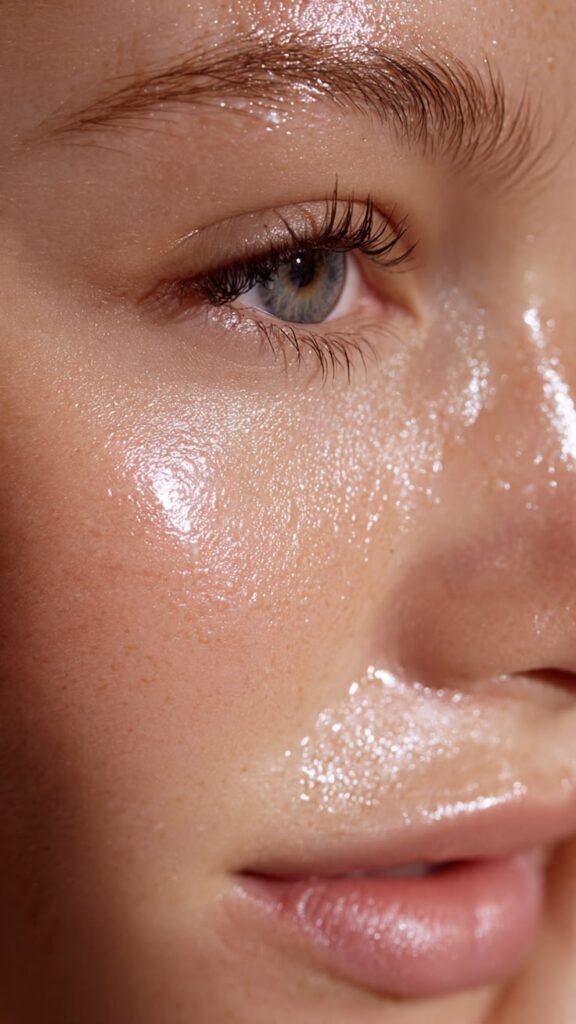
If your face becomes shiny shortly after cleansing, especially across your forehead, nose, cheeks, and chin, you likely have oily skin.
Common Signs of Oily Skin:
- Visible shine throughout the day
- Enlarged pores
- Frequent acne breakouts
- Blackheads and whiteheads
- Makeup slides off easily
What Causes Oily Skin?
Several factors can contribute to oily skin, including:
- Genetics
- Hormonal changes
- Hot and humid weather
- Stress
- Using harsh skincare products
- Overwashing the face
- Certain medications and lifestyle factors
Oily skin produces excess sebum, which can lead to clogged pores and blemishes.
Best Skincare Tips for Oily Skin:
- Use a gentle foaming cleanser
- Choose oil-free products
- Use lightweight moisturizers
- Incorporate salicylic acid into your routine
- Avoid over-washing your face
3. Combination Skin
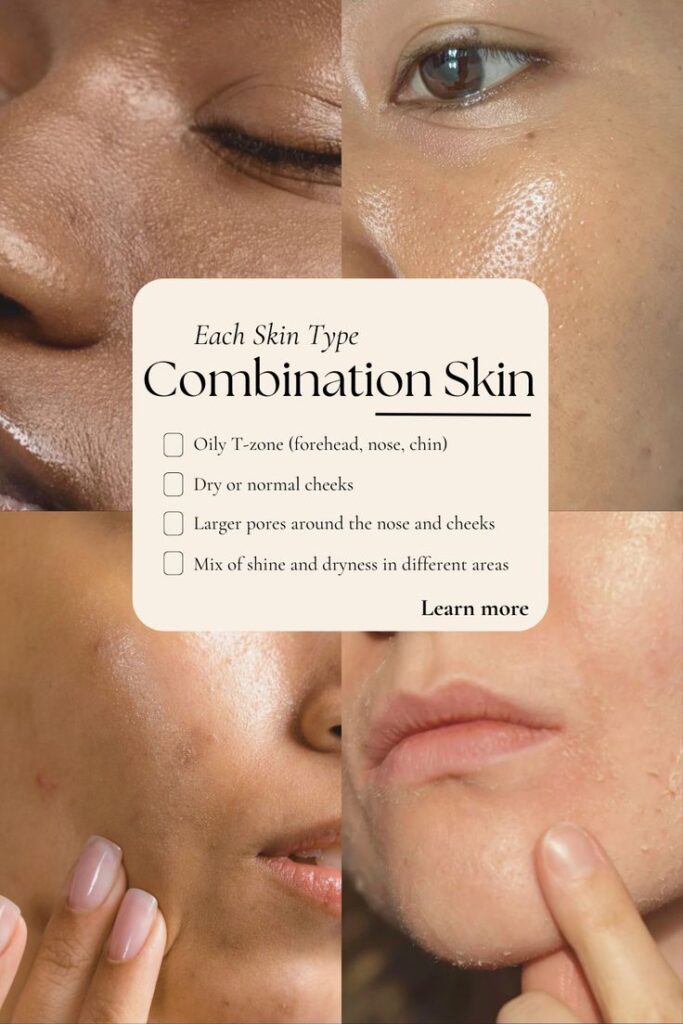
Combination skin is the most common skin type. If your forehead, nose, and chin appear oily while your cheeks remain normal or dry, you likely have combination skin.
Common Signs of Combination Skin:
- Oily T-zone
- Dry or normal cheeks
- Occasional breakouts
- Mixed skin concerns
What Causes Combination Skin?
Several factors can contribute to combination skin, including:
- Genetics
- Hormonal fluctuations
- Seasonal weather changes
- Using skincare products that are too harsh or too heavy
- Environmental factors such as humidity and pollution
- Changes in age and skin condition
Because different areas of the face have different needs, combination skin can sometimes be challenging to care for.
Best Skincare Tips for Combination Skin:
- Use balanced skincare products
- Apply lightweight moisturizers
- Target oily and dry areas separately when needed
- Avoid overly harsh cleansers
- Use gentle exfoliation
4. Normal Skin

If your skin feels comfortable, balanced, and healthy without excessive oil or dryness, you likely have normal skin.
Common Signs of Normal Skin:
- Smooth texture
- Small pores
- Minimal breakouts
- Even complexion
- Comfortable feeling throughout the day
What Causes Normal Skin?
Normal skin is largely influenced by genetics, but healthy lifestyle habits can also help maintain its balance. Factors that contribute to normal skin include:
- Balanced oil production
- A strong skin barrier
- Good hydration levels
- Consistent skincare habits
- A healthy diet and lifestyle
Normal skin typically has a healthy balance of oil and moisture.
Best Skincare Tips for Normal Skin:
- Maintain a consistent routine
- Cleanse twice daily
- Moisturize regularly
- Wear sunscreen every day
- Avoid unnecessary product overload
5. Sensitive Skin

Sensitive skin is not technically a skin type but rather a skin condition that can occur alongside dry, oily, combination, or normal skin.
Common Signs of Sensitive Skin:
- Redness
- Itching
- Burning sensation
- Frequent irritation
- Reactions to skincare products
What Causes Sensitive Skin?
Several factors can contribute to sensitive skin, including:
- A weakened skin barrier
- Genetics
- Allergies
- Harsh skincare products
- Excessive exfoliation
- Environmental factors such as pollution, wind, and extreme temperatures
- Skin conditions like eczema, rosacea, or dermatitis
Sensitive skin may react strongly to fragrances, harsh chemicals, environmental changes, or certain ingredients.
Best Skincare Tips for Sensitive Skin:
- Choose fragrance-free products
- Avoid harsh exfoliants
- Patch-test new products
- Use soothing ingredients like aloe vera and oatmeal
- Keep your routine simple
The Blotting Paper Method
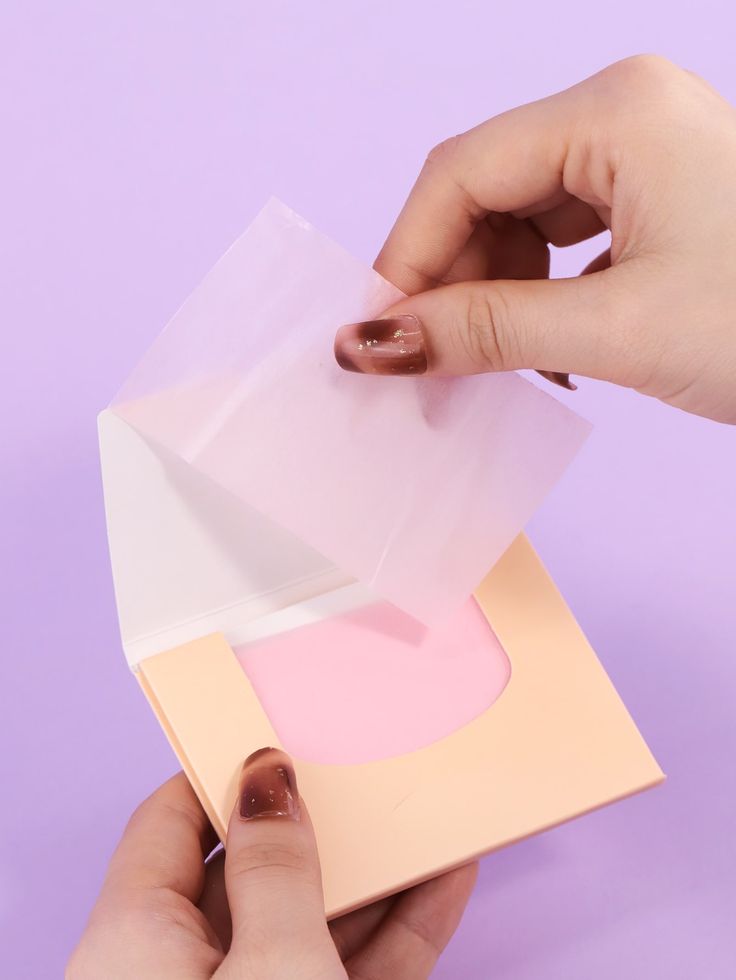
Another easy way to determine your skin type is by using blotting paper.
How to Perform the Blotting Paper Test
- Wash your face with a gentle cleanser and allow it to dry completely.
- Wait for about 1–2 hours without applying any skincare products or makeup.
- Take a clean blotting paper and gently press it against different areas of your face, including the forehead, nose, cheeks, and chin.
- Hold the blotting paper up to the light and examine how much oil has been absorbed.
Gently press blotting paper onto different areas of your face.
Click Here to see How to use itResults:
- Very little oil = Dry skin
- Oil from all areas = Oily skin
- Oil mainly from the forehead and nose = Combination skin
- Small amount of oil with balanced appearance = Normal skin
This method can help confirm the results of the basic observation test.
Common Mistakes People Make When Identifying Their Skin Type
Many people incorrectly identify their skin type because of temporary skin conditions.
Mistake #1: Confusing Dry Skin with Dehydrated Skin
Dry skin lacks oil, while dehydrated skin lacks water. Even oily skin can become dehydrated.
Mistake #2: Assuming Acne Means Oily Skin
Acne can occur on all skin types, including dry and combination skin.
Mistake #3: Using Harsh Products Before Testing
Strong cleansers and treatments can temporarily alter your skin’s natural condition.
Mistake #4: Ignoring Seasonal Changes
Your skin may behave differently in summer and winter, so reassess your skin type periodically.
Final Thoughts
Learning How to Know Your Skin Type at Home is the first step toward achieving healthy and glowing skin. Once you understand whether your skin is dry, oily, combination, normal, or sensitive, you can build a skincare routine that addresses your specific concerns. Instead of following every skincare trend, focus on understanding your skin’s needs. Knowing How to Know Your Skin Type at Home will help you choose the right products, avoid common skincare mistakes, and achieve better long-term results.