
 By
By SPF 50 vs SPF 30: The Ultimate and Surprising Truth About Sunscreen Protection
Have you ever found yourself standing in front of a shelf full of sunscreens, staring at two bottles and wondering:
“Should I buy SPF 30 or SPF 50?”
You’re not alone.
Every day, thousands of people spend extra money on higher SPF sunscreens believing they’re getting dramatically better protection. Others choose SPF 30 and quietly worry whether they’re doing enough to protect their skin.
The truth?
Most people completely misunderstand what SPF numbers actually mean.
And that misunderstanding can cost your skin far more than a few extra rupees.
Because sun damage isn’t always immediate.
Sometimes it shows up as stubborn pigmentation that refuses to fade.
Sometimes it’s the uneven skin tone you notice in photographs.
Sometimes it’s premature wrinkles that seem to appear overnight.
And sometimes it’s years of accumulated damage that could have been prevented with the right sunscreen habits.
For Indian skin, where concerns like tanning, hyperpigmentation, melasma, and dark spots are incredibly common, sunscreen isn’t just another skincare product.
It’s one of the most powerful anti-aging and skin-protecting tools available.
But when it comes to SPF 50 vs SPF 30, which one actually deserves a place in your daily skincare routine?
Let’s uncover the surprising truth.
Why Sunscreen Matters More Than Most People Realise
Many people think sunscreen is only necessary during summer vacations or beach trips.
Unfortunately, that’s one of the biggest skincare myths.
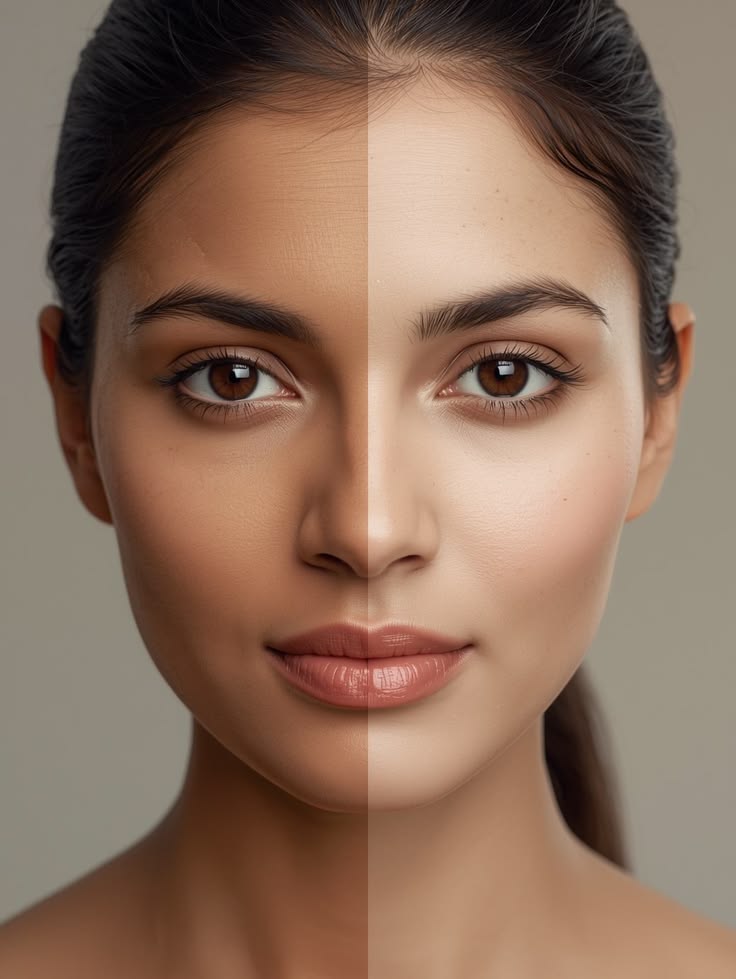
The sun affects your skin every single day.
Whether you’re:
- Walking to work
- Driving your car
- Sitting near a window
- Running errands
- Riding a bike
- Hanging clothes outside
Your skin is constantly exposed to ultraviolet radiation.
Over time, that exposure accumulates.
You may not see the damage immediately, but your skin remembers.
That daily exposure contributes to:
- Premature aging
- Fine lines
- Wrinkles
- Uneven skin tone
- Hyperpigmentation
- Melasma
- Sunspots
- Loss of skin elasticity
This is why dermatologists consistently say that sunscreen is the most important anti-aging product in any skincare routine.
No serum can fully undo years of sun damage.
Prevention is always easier than correction.
What Does SPF Actually Mean?
Before comparing SPF 50 and SPF 30, let’s understand what SPF actually measures.
SPF stands for Sun Protection Factor.
It indicates how effectively a sunscreen protects your skin from UVB rays.
UVB rays are primarily responsible for:
- Sunburn
- Skin damage
- DNA damage
- Increased skin cancer risk
However, SPF doesn’t tell you how many hours you can safely stay in the sun.
That’s a common misconception.
Instead, SPF measures how much UV radiation reaches your skin while wearing sunscreen.
Think of sunscreen like a protective shield.
The higher the SPF, the fewer UVB rays reach your skin.
But here’s the surprising part:
The difference between SPF 30 and SPF 50 is much smaller than most people expect.
For more details read this Article belowSPF 30 Explained
How Much Protection Does SPF 30 Provide?
This is where things start getting interesting.
SPF 30 blocks approximately 97% of UVB rays when applied correctly.
That means only about 3% of UV radiation reaches your skin.
Many people are shocked when they hear this.
Because SPF 30 already provides extremely high protection.
For everyday activities like:
- Commuting
- Office work
- Shopping
- Walking outdoors briefly
SPF 30 is more than capable of protecting your skin.
This is one reason why many dermatologists recommend SPF 30 as the minimum daily sunscreen level.
SPF 50 Explained
How Much Protection Does SPF 50 Provide?
SPF 50 blocks approximately 98% of UVB rays.
At first glance, that sounds only slightly better than SPF 30.
And technically, it is.
But there’s an important detail.
SPF 30 allows approximately 3% of UV rays to pass through.
SPF 50 allows approximately 2%.
That may seem insignificant during a short walk outside.
However, over long periods of sun exposure, that additional protection can become valuable.
Especially for people with:
- Sensitive skin
- Melasma
- Rosacea
- Hyperpigmentation
- Fair skin
- Outdoor lifestyles
SPF 50 vs SPF 30: The Numbers That Surprise Everyone
Most people expect SPF 50 to offer dramatically better protection.
The reality is much more surprising.
| SPF Level | UVB Rays Blocked |
|---|---|
| SPF 15 | 93% |
| SPF 30 | 97% |
| SPF 50 | 98% |
| SPF 100 | 99% |
Notice something?
As SPF numbers increase, the improvement becomes smaller.
This is called diminishing returns.
Going from SPF 15 to SPF 30 provides a meaningful jump in protection.
Going from SPF 30 to SPF 50 provides only a modest increase.
That’s why sunscreen experts often emphasize proper application over chasing higher SPF numbers.
The Real Problem Isn’t SPF
Here’s the uncomfortable truth.
Most people don’t apply enough sunscreen.
Not even close.
The SPF rating printed on the bottle is based on laboratory testing.
Those tests use much more sunscreen than most people apply in real life.
In reality:
- People apply too little.
- They miss areas of the face.
- They forget their neck.
- They skip reapplication.
As a result, a poorly applied SPF 50 sunscreen may perform worse than a properly applied SPF 30 sunscreen.
This is why learning the correct amount is so important.

👉 Related Reading: How Much Sunscreen to Apply on Your Face? The Essential Two-Finger Rule Sunscreen Guide The sunscreen you apply correctly will always outperform the sunscreen you forget to use.
Who Should Choose SPF 30?
SPF 30 is often the perfect choice for people who:
- Work indoors
- Spend limited time outside
- Wear sunscreen consistently
- Want lightweight formulations
- Have a limited skincare budget
For the average person, SPF 30 provides excellent daily protection.
In fact, many dermatologists personally wear SPF 30 for routine daily activities.
Consistency matters more than the number.
A sunscreen you enjoy wearing every day is far more valuable than one you leave untouched on your shelf.
Who Should Choose SPF 50?
SPF 50 shines in situations where your skin faces prolonged UV exposure.
It may be the better option if you:
- Play outdoor sports
- Work outdoors
- Spend hours driving
- Go hiking
- Visit beaches frequently
- Have melasma
- Experience severe pigmentation
- Burn easily
The additional protection acts as a small safety buffer.
It’s not a magic shield.
But it can help compensate for minor application mistakes and prolonged exposure.
Why Indian Skin Often Benefits From Higher SPF
Indian skin is naturally rich in melanin.
This provides some natural protection.
However, melanin does not make you immune to sun damage.
Many Indians struggle with:
- Tanning
- Dark spots
- Uneven skin tone
- Post-inflammatory hyperpigmentation
- Melasma
These conditions often worsen with UV exposure.
Even when your skin doesn’t burn, the sun may still be triggering pigmentation beneath the surface.
That’s why many dermatologists recommend SPF 50 for people dealing with stubborn pigmentation concerns.
If pigmentation is your primary concern, you may also find these guides helpful:
👉 Vitamin C for Indian Skin: The Ultimate Guide to Fading Dark Spots & Pigmentation👉 Niacinamide for Indian Skin: The Complete Guide to Brighter, Clearer, and Healthier SkinCommon SPF Myths That Could Be Damaging Your Skin
When it comes to sunscreen, misinformation is everywhere.
Many of us unknowingly follow sunscreen habits that leave our skin vulnerable to damage, pigmentation, and premature aging.
Let’s clear up some of the most common myths.

Myth #1: SPF 50 Is Twice as Strong as SPF 30
This is probably the biggest sunscreen myth of all.
It’s easy to assume that SPF 50 provides double the protection because the number is much higher.
But as we’ve seen, SPF 30 blocks about 97% of UVB rays, while SPF 50 blocks about 98%.
The difference exists, but it’s nowhere near double.
The real advantage of SPF 50 is the extra margin of protection it offers during prolonged sun exposure.
Myth #2: You Don’t Need Sunscreen on Cloudy Days
Many people skip sunscreen when the weather looks gloomy.
Unfortunately, UV rays don’t disappear when the sun hides behind clouds.
In fact, a significant percentage of UV radiation can still reach your skin on overcast days.
This means pigmentation, tanning, and long-term skin damage can still occur even when the sky doesn’t look particularly sunny.
Myth #3: Indian Skin Doesn’t Need Sunscreen
This myth has damaged countless skin barriers and contributed to years of unnecessary pigmentation.
Yes, Indian skin contains more melanin than lighter skin tones.
But melanin is not a replacement for sunscreen.
Indian skin is especially prone to:
- Hyperpigmentation
- Post-inflammatory pigmentation
- Uneven skin tone
- Melasma
- Tanning
And all of these conditions can worsen with UV exposure.
Myth #4: Makeup with SPF Is Enough
Many foundations and BB creams contain SPF.
While that’s a nice bonus, it’s rarely enough protection on its own.
Most people don’t apply nearly enough makeup to achieve the SPF level stated on the packaging.
Think of SPF makeup as an extra layer of protection—not a replacement for sunscreen.
Why the SPF 50 vs SPF 30 Debate Matters More Than You Think
The discussion around SPF 50 vs SPF 30 isn’t just a technical skincare topic. It affects how well your skin is protected every single day. Many people assume all sunscreens work the same way, but understanding SPF 50 vs SPF 30 can help you make smarter choices for your skin type, lifestyle, and sun exposure level.
If you spend long hours outdoors, struggle with pigmentation, or live in India’s intense summer climate, choosing between SPF 50 vs SPF 30 may have a noticeable impact on your skin’s long-term health.
SPF 50 vs SPF 30 for Indian Skin
When comparing SPF 50 vs SPF 30 for Indian skin, it’s important to remember that Indian skin is often more prone to tanning, post-inflammatory hyperpigmentation, and stubborn dark spots. While both options provide strong protection, SPF 50 offers an extra layer of defense that can be valuable during prolonged sun exposure.
For many dermatologists, the SPF 50 vs SPF 30 decision depends on individual needs, but people dealing with pigmentation concerns often benefit from higher SPF protection.
Is SPF 50 Better Than SPF 30?
One of the most common questions in skincare is whether SPF 50 is better than SPF 30. The answer depends on your lifestyle. The difference may seem small on paper, but in real-life situations where sunscreen is often under-applied, SPF 50 can provide a helpful safety margin.
This is why the SPF 50 vs SPF 30 comparison continues to be relevant, especially for people who spend time outdoors or forget to reapply sunscreen regularly.
SPF 50 vs SPF 30: Which One Should You Choose?
The best choice in the SPF 50 vs SPF 30 debate is the sunscreen you will use consistently every day. If SPF 30 encourages regular application and reapplication, it can be extremely effective. However, if your skin is prone to pigmentation, melasma, tanning, or sun sensitivity, SPF 50 may be the better option.
Ultimately, SPF 50 vs SPF 30 should not be viewed as a battle where one product is always superior. Instead, it should be viewed as a decision based on your skin’s unique needs and daily sun exposure.
Why Broad-Spectrum Protection Matters More Than SPF Numbers
Imagine locking your front door while leaving your back door wide open.
That’s what happens when you focus only on SPF and ignore UVA protection.
Remember:
- SPF measures UVB protection.
- Broad-spectrum protection covers both UVA and UVB rays.
This matters because UVA rays are often responsible for the skin concerns people struggle with most.
Including:
- Wrinkles
- Fine lines
- Loss of firmness
- Dark spots
- Uneven skin tone
- Premature aging
When shopping for sunscreen, don’t just look at the SPF number.
Always look for the words:
“Broad Spectrum”
Your future skin will thank you.
The Biggest Sunscreen Mistakes People Make
Sometimes the problem isn’t the sunscreen.
It’s how we use it.
Using Too Little Sunscreen
Most people apply far less sunscreen than recommended.
As a result, they’re not getting the protection level printed on the bottle.
A sunscreen labeled SPF 50 may perform much closer to SPF 15 when applied sparingly.
One of the easiest ways to avoid this mistake is following the Two-Finger Rule.
👉 Related Reading: How Much Sunscreen to Apply on Your Face? The Essential Two-Finger Rule Sunscreen Guide Forgetting Important Areas
Some areas are constantly forgotten.
These include:
- Ears
- Neck
- Hairline
- Hands
- Feet
- Lips
- Scalp
These forgotten spots often become the first places to show sun damage.
Not Reapplying
This is where many sunscreen routines fall apart.
Sunscreen isn’t permanent.
Sweat, friction, oil production, and daily activities gradually reduce its effectiveness.
If you’re outdoors, reapply every two hours.
If you’re swimming or sweating heavily, reapply even more frequently.
SPF 50 vs SPF 30 for Different Lifestyles
Not everyone has the same sun exposure.
The best SPF often depends on how you spend your day.
Office Workers
If you spend most of your day indoors:
- SPF 30 is usually sufficient.
- Broad-spectrum protection remains essential.
- Daily consistency matters most.
Students
Students often move between classrooms, campuses, and outdoor environments.
A lightweight SPF 30 or SPF 50 sunscreen can provide reliable daily protection.
Outdoor Workers
Construction workers, delivery personnel, farmers, and others who spend hours outside should strongly consider SPF 50.
The longer you’re exposed to sunlight, the more valuable that extra protection becomes.
Athletes and Fitness Enthusiasts
If you run, cycle, hike, or play outdoor sports, SPF 50 is often the better choice.
Extended sun exposure combined with sweat creates conditions where additional protection becomes valuable.
Beach Lovers
A beach day is one of the toughest tests for any sunscreen.
Sand reflects sunlight.
Water reflects sunlight.
Hours of exposure accumulate quickly.
In these situations, SPF 50 is usually the smarter choice.
Best SPF for Indian Summers
Indian summers can be brutal.
Temperatures soar.
Humidity rises.
UV levels become intense.
During peak summer months, many people notice:
- Increased tanning
- More pigmentation
- Skin dullness
- Uneven skin tone
For routine daily activities, a broad-spectrum SPF 30 sunscreen is often enough.
However, if you’re:
- Traveling
- Spending long hours outdoors
- Visiting beaches
- Commuting extensively
SPF 50 may provide additional reassurance.
Pair sunscreen with:
- Sunglasses
- Hats
- Umbrellas
- Protective clothing
The best sun protection strategy combines multiple layers of defense.
👉 Related Reading: Summer Skin Care Tips in India (2026 Guide): Keep Your Skin Healthy and Glowing Building a Complete Anti-Pigmentation Routine
Sunscreen is powerful.
But it works even better when paired with the right skincare ingredients.
If pigmentation is your biggest concern, consider combining sunscreen with:
Vitamin C
Vitamin C helps brighten the skin and reduce the appearance of dark spots.
👉 Vitamin C for Indian Skin: The Ultimate Guide to Fading Dark Spots & Pigmentation
Niacinamide
Niacinamide helps strengthen the skin barrier, control oil, and support a more even complexion.
👉 Niacinamide for Indian Skin: The Complete Guide to Brighter, Clearer, and Healthier Skin
Tan Removal Strategies
Already dealing with tanning?
This guide can help:
👉 How to Remove Tan Naturally and Effectively: The Complete Guide to Brighter, Healthier Skin
Together, these ingredients create a powerful defense system against sun-induced pigmentation.
What Dermatologists Want You to Remember
If dermatologists could give just one sunscreen message, it would probably be this:

The best sunscreen is the one you actually wear every day.
Not the most expensive.
Not the trendiest.
Not the one with the highest SPF number.
The one you consistently apply.
Because even the most advanced sunscreen cannot protect your skin if it stays inside the bottle.
Consistency beats perfection every single time.
Final Verdict: SPF 50 vs SPF 30
So, who wins the SPF 50 vs SPF 30 debate?
The surprising answer is:
Both can be excellent choices.
SPF 30 already provides outstanding daily protection and is more than sufficient for most people when applied correctly.
SPF 50 offers a slightly higher level of protection and an extra safety buffer, making it especially useful for people with pigmentation concerns, sensitive skin, outdoor lifestyles, or prolonged sun exposure.
The real secret isn’t choosing the highest SPF.
It’s building a sunscreen habit you can maintain every single day.
Your skin doesn’t care about the number printed on the bottle nearly as much as it cares about consistency.
Years from now, your future self won’t remember whether you chose SPF 30 or SPF 50.
But your skin will remember whether you protected it.
And that’s what truly matters.
Frequently Asked Questions
SPF 50 provides slightly more UVB protection than SPF 30, but the difference is smaller than most people think. SPF 30 blocks about 97% of UVB rays, while SPF 50 blocks about 98%.
SPF 30 can significantly reduce tanning when applied correctly and reapplied regularly. However, no sunscreen can block 100% of UV radiation.
For everyday use, SPF 30 is often sufficient. For prolonged outdoor exposure, pigmentation concerns, or intense sunlight, SPF 50 may be the better option.
Yes.
UVA rays can penetrate glass windows and contribute to pigmentation and premature ageing, even indoors.
SPF 100 provides only a small increase in protection compared to SPF 50. Proper application and reapplication remain far more important than extremely high SPF numbers.