 By
By Have you ever spent a day outdoors, carefully applied sunscreen, and still noticed your skin looking darker afterwards?
If so, you’re not alone.
One of the most common skincare questions people ask is: Can sunscreen prevent tanning? Many people assume that applying a high SPF sunscreen creates an invisible shield that completely blocks tanning. Others believe sunscreen is useless because they still get tan even after using it.
The truth lies somewhere in between.
Understanding how sunscreen works can help you protect your skin more effectively, prevent unnecessary skin damage, and maintain a more even skin tone over time.
In this guide, we’ll uncover the real relationship between sunscreen and tanning, answer popular questions like “Can you tan with sunscreen SPF 50?” and “Does PA+++ prevent tanning?”, and explain how to prevent tanning while keeping your skin healthy and protected.
What Exactly Is Tanning?
Before understanding whether sunscreen prevents tanning, it helps to know what tanning actually is.
A tan isn’t your skin becoming healthier or stronger.
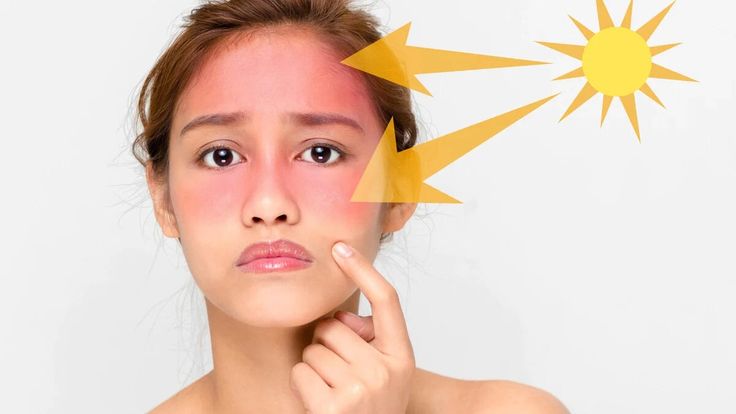
A tan is your skin’s defense mechanism against UV damage.
When ultraviolet (UV) rays from the sun hit your skin, your body produces more melanin, the pigment responsible for your skin color. This extra melanin helps protect deeper layers of the skin from further UV damage.
As melanin production increases, your skin appears darker.
In simple words:
Tan = Skin Damage + Increased Melanin Production
This is why dermatologists often say there is no such thing as a healthy tan from sun exposure.
For more details read the Article belowHow Sunscreen Actually Works
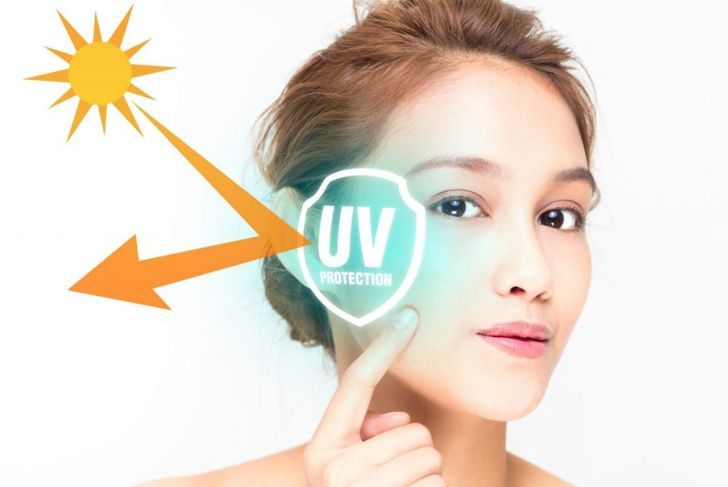
Many people imagine sunscreen as a solid wall blocking all sunlight.
That’s not how it works.
Sunscreen reduces the amount of UV radiation reaching your skin. Even the best sunscreen cannot block 100% of UV rays.
There are two primary types of UV rays:
Related Reading: SPF 50 vs SPF 30 Surprising Truth About Sunscreen ProtectionUVA Rays
UVA rays penetrate deeper into the skin.
These rays are mainly responsible for:
- Tanning
- Hyperpigmentation
- Premature aging
- Fine lines
- Wrinkles
- Sun spots
UVB Rays
UVB rays affect the skin’s surface.
These rays are mainly responsible for:
- Sunburn
- Redness
- Skin inflammation
- Increased skin cancer risk
A good broad-spectrum sunscreen protects against both UVA and UVB rays.
This is why broad-spectrum protection is more important than SPF alone.
Can Sunscreen Prevent Tanning?
The honest answer is:
Sunscreen can significantly reduce tanning, but it cannot completely prevent it.
Even high-quality sunscreen allows a small percentage of UV rays to reach your skin.
When UV rays reach your skin, melanin production can still occur.
That means:
- You may tan slower.
- Your tan may be lighter.
- Skin damage happens at a reduced rate.
But complete prevention is almost impossible if you’re spending enough time under direct sunlight.
Think of sunscreen as reducing the intensity of sun exposure rather than eliminating it.
Does SPF Prevent Tanning?
Not completely.
SPF mainly measures protection against UVB rays.
Here are approximate UVB blocking rates:
- SPF 15 blocks about 93%
- SPF 30 blocks about 97%
- SPF 50 blocks about 98%
- SPF 100 blocks about 99%
Notice something interesting?
The difference between SPF 30 and SPF 50 is only about 1%.
This means SPF 50 offers better protection, but it doesn’t magically stop all tanning.
The key factor is not just SPF.
It’s:
- Broad-spectrum protection
- Proper application
- Reapplication every two hours
- Amount applied
If you’re interested in applying sunscreen correctly, link naturally to your article on How Much Sunscreen to Apply: The Two-Finger Rule Sunscreen Guide.
Many people believe sunscreen doesn’t work when the real problem is simply not applying enough.
Does SPF 50 Make You Tan Slower?
Yes, absolutely.
One of Google’s most searched questions is:
Does SPF 50 Make You Tan Slower?
The answer is yes.
Because SPF 50 blocks slightly more UV radiation than SPF 30, less UV reaches your skin.
As a result:
- Melanin production slows down.
- Tanning develops more slowly.
- Sunburn risk decreases.
However, if you’re outside for several hours without reapplying sunscreen, tanning can still occur.
SPF 50 is not a tanning-proof shield.
It’s simply a stronger layer of protection.
Can You Still Tan With SPF 50?
Yes.
This surprises many people.
Even when wearing SPF 50, some UV rays penetrate the sunscreen layer.
You are especially likely to tan if:
- Sunscreen isn’t reapplied.
- You sweat heavily.
- You swim frequently.
- You apply too little product.
- You stay outdoors during peak UV hours.
So if you’re wondering:
Can you tan with sunscreen SPF 50?
The answer is definitely yes.
But the tanning will generally be slower and less severe compared to wearing no sunscreen at all.
Does Skin Eventually Return to Its Original Color After Tanning?
Yes, in most cases.
Your skin constantly renews itself.
As new skin cells replace older pigmented cells, the tan gradually fades.
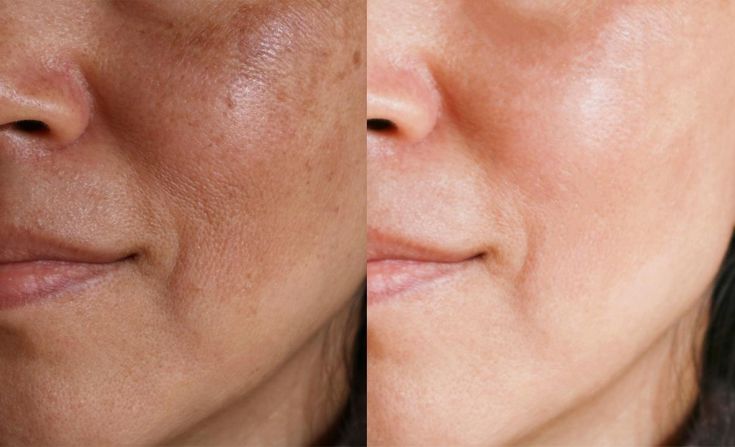
The timeline depends on:
- Your natural skin tone
- Depth of UV damage
- Daily sun exposure
- Age
- Skincare habits
People who continue exposing their skin to sunlight without protection may notice that their tan seems permanent, but often this is ongoing pigmentation rather than a single tan.
Does PA+++ Prevent Tanning?
Another popular question is:
Does PA+++ Prevent Tanning?
The PA system measures protection against UVA rays.
Remember:
UVA rays are primarily responsible for tanning and pigmentation.
Here’s a simple breakdown:
- PA+ = Some UVA protection
- PA++ = Moderate UVA protection
- PA+++ = High UVA protection
- PA++++ = Extremely high UVA protection
Because tanning is largely caused by UVA exposure, higher PA ratings help reduce tanning significantly.
However, just like SPF, PA+++ cannot provide total protection.
For maximum anti-tanning benefits, choose:
Broad-Spectrum SPF 50 PA++++ Sunscreen
This combination provides strong defense against both tanning and burning.
Why Do You Tan Even When Wearing Sunscreen?
This is one of the biggest misconceptions in skincare.
Many people think:
“I applied sunscreen and still got darker, so sunscreen doesn’t work.”
Actually, sunscreen may have prevented much more damage than you realize.
You may still tan because:
Related Reading: 👉🏻How Much Sunscreen to Apply on Your Face? The Essential Two-Finger Rule Sunscreen GuideYou Didn’t Apply Enough
Most adults need approximately two fingers’ worth of sunscreen for the face and neck.
Less product equals less protection.
You Forgot Reapplication
Sunscreen gradually wears off.
Dermatologists recommend reapplying every two hours.
UV Rays Are Extremely Powerful
Even excellent sunscreens allow a small percentage of UV radiation through.
Over time, those rays add up.
Peak UV Hours
Sun exposure between 10 AM and 4 PM is especially intense.
Even strong sunscreen struggles against prolonged exposure during these hours.
What Is the Fastest Way to Remove a Sun Tan?
If you’re searching for quick results, remember that skin healing takes time.

However, you can help speed up fading by:
- Wearing sunscreen every day
- Using Vitamin C serum
- Using niacinamide
- Gentle exfoliation
- Staying hydrated
- Avoiding further sun exposure
The biggest mistake people make is trying aggressive DIY remedies that irritate the skin and worsen pigmentation.
Can Sunscreen Remove Existing Tanning?
This is a very common misunderstanding.
Sunscreen does not remove tanning.
Instead, sunscreen prevents existing pigmentation from becoming darker.
Think of sunscreen as a shield rather than an eraser.
If your goal is to fade a tan, sunscreen is still essential because every new UV exposure can undo your progress.
Related Reading: How to Remove Tan Naturally and EffectivelyWhich Sunscreen Can Help Prevent Tanning and Darkening?
No sunscreen can guarantee zero tanning.
However, choosing a broad-spectrum sunscreen with:
- SPF 50+
- PA++++ protection
- Water resistance
can significantly reduce tanning.
This is why dermatologists often recommend broad-spectrum SPF 50 PA++++ formulas for people concerned about pigmentation and uneven skin tone.
How Do Dermatologists Treat Long-Term Sun Tan?
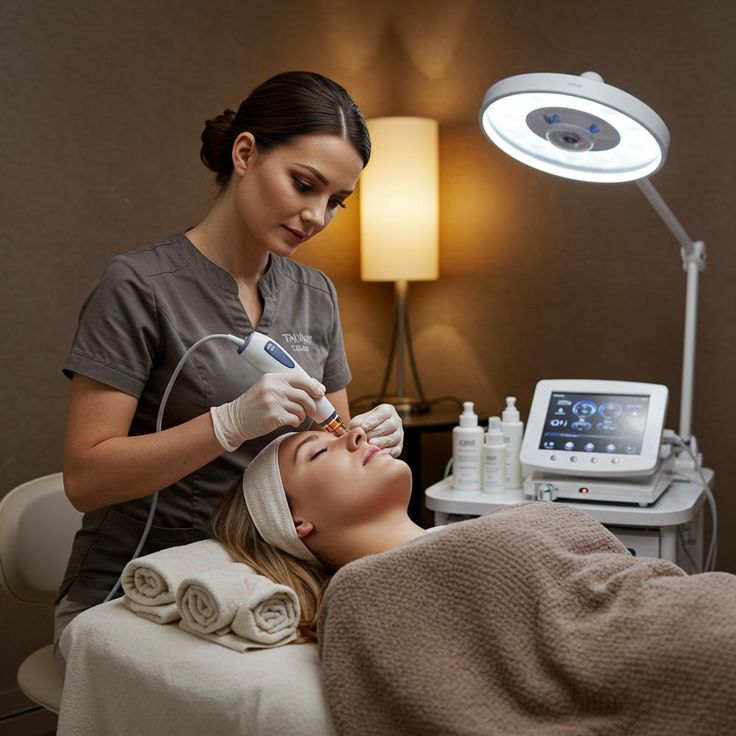
For stubborn tanning and pigmentation, dermatologists may recommend:
- Chemical peels
- Retinoids
- Vitamin C treatments
- Hydroquinone (where appropriate)
- Laser treatments
- Microneedling
Treatment depends on how deep the pigmentation extends into the skin.
This is another reason why understanding can sunscreen prevent tanning is important—prevention is usually easier and less expensive than treatment.
Can I Wear Sunscreen and Tanning Oil Together?
Technically yes, but they work against each other.
Tanning oils are designed to increase UV exposure and accelerate tanning.
Sunscreen is designed to reduce UV exposure.
If your goal is avoiding a tan, tanning oils are not your friend.
Related Reading: How to Know Your Skin Type at HomeIf SPF Blocks U V Rays, How Does Tanning Oil with SPF 30 Work?
This confuses many people.
Tanning oils with SPF 30 reduce some UV exposure while still allowing enough UV radiation to stimulate melanin production.
In simple terms:
- Traditional sunscreen = minimize tanning
- Tanning oil SPF 30 = slow tanning slightly while still encouraging tanning
This is why people can still develop noticeable color while using tanning oils containing SPF.
How to Prevent Tanning Effectively
If your goal is preventing tanning as much as possible, sunscreen alone is not enough.
You need a complete sun-protection strategy.
Related Reading: Summer Skin Care Tips in India1. Wear Broad-Spectrum SPF 50+
Choose a sunscreen that protects against both UVA and UVB rays.
Look for:
- SPF 50+
- PA+++
- Ideally PA++++
2. Reapply Every Two Hours
This step is often ignored.
Yet it makes one of the biggest differences.
3. Avoid Peak Sun Hours
Try limiting direct sun exposure between:
- 10 AM
- 4 PM
This simple habit dramatically reduces tanning.
4. Wear Protective Clothing
Long sleeves, hats, sunglasses, and UV-protective clothing provide an additional physical barrier.
5. Seek Shade
Shade can reduce UV exposure significantly.
Never underestimate the power of a tree, umbrella, or canopy.
Can Sunscreen Prevent Tanning in Indian Summers?
Indian summers can be extremely harsh on the skin. High UV indexes, intense heat, and long hours outdoors create the perfect conditions for tanning and pigmentation.
This is why many people search for can sunscreen prevent tanning during peak summer months.
A good sunscreen can significantly reduce tanning, but it works best when combined with other protective measures. Wearing hats, seeking shade, and reapplying sunscreen regularly can make a noticeable difference.
If you live in a sunny climate, asking can sunscreen prevent tanning is the right question. The key is understanding that sunscreen reduces UV damage rather than eliminating it entirely.
Can Sunscreen Prevent Tanning on the Face Better Than the Body?
The face usually receives more sunscreen attention than the rest of the body. As a result, facial tanning is often less severe than tanning on the arms, neck, or legs.
Many readers specifically wonder, can sunscreen prevent tanning on the face?
When applied correctly, sunscreen can significantly reduce facial tanning. However, facial skin is constantly exposed to sunlight, making reapplication essential. If you want to know whether can sunscreen prevent tanning on the face, the answer is yes—but only when used consistently and generously.
How to Prevent Tanning on Face
The face is usually the first area to tan because it’s constantly exposed.
To prevent facial tanning:
- Apply sunscreen generously.
- Reapply every two hours.
- Wear a wide-brimmed hat.
- Use sunglasses.
- Avoid direct midday sun.
- Use antioxidants such as Vitamin C in your skincare routine.
You can also internally link to future articles about:
- Vitamin C and pigmentation
- Best sunscreens for Indian skin
- Daily skincare routine for hyperpigmentation
These topics naturally complement this guide.
How to Prevent Tanning Indian Skin
Indian skin typically contains more melanin than lighter skin tones.
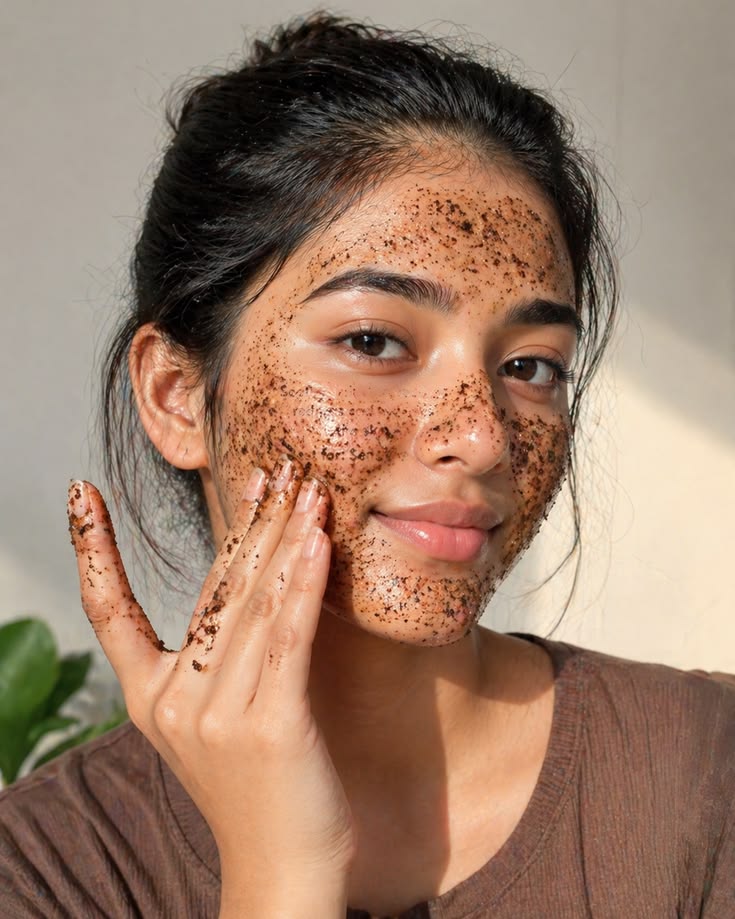
While melanin offers some natural UV protection, it does not prevent tanning.
In fact, Indian skin can be particularly prone to:
- Persistent tanning
- Hyperpigmentation
- Uneven skin tone
- Post-inflammatory pigmentation
For Indian skin, consider:
- SPF 50 PA++++ sunscreen
- Hats and umbrellas
- Regular sunscreen reapplication
- Protective clothing
- Antioxidant-rich skincare
Consistency matters far more than occasionally using sunscreen.
Can Sunscreen Prevent Tanning on Face Completely?
Many people specifically search:
Does sunscreen prevent tanning on face?
The realistic answer is:
No sunscreen can guarantee zero tanning.
However, proper sunscreen use can dramatically reduce tanning and prevent severe pigmentation.
If you notice significant darkening despite sunscreen use, check:
- SPF level
- PA rating
- Application amount
- Reapplication frequency
Most sunscreen failures happen because of user error rather than product failure.
What About Vitamin D? Will Sunscreen Cause Deficiency?
This concern comes up frequently.
Fortunately, research suggests normal sunscreen use does not automatically lead to vitamin D deficiency.
Why?
Because:
- Most people don’t apply sunscreen perfectly.
- Some UV rays still penetrate.
- Vitamin D can also come from food and supplements.
Healthy vitamin D sources include:
- Fatty fish
- Egg yolks
- Fortified foods
- Supplements when recommended
Skipping sunscreen is not a safe strategy for getting vitamin D.
Is There Such a Thing as a Safe Tan?
Many people love the appearance of tanned skin.
But from a dermatological perspective, a tan is evidence that UV damage has occurred.
There is no truly safe tan obtained from sun exposure.
If you enjoy a bronzed appearance, safer alternatives include:
- Self-tanners
- Tinted body lotions
- Professional spray tans
These options create the appearance of a tan without exposing your skin to harmful UV radiation.
Common Myths About Sunscreen and Tanning
Myth #1: SPF 50 Prevents All Tanning
False.
SPF 50 reduces tanning but does not eliminate it.
Myth #2: Dark Skin Doesn’t Need Sunscreen
False.
All skin tones can experience sun damage and hyperpigmentation.
Myth #3: You Don’t Need Sunscreen on Cloudy Days
False.
UV rays penetrate clouds.
Myth #4: One Morning Application Lasts All Day
False.
Sunscreen requires regular reapplication.
Myth #5: A Tan Means Healthy Skin
False.
A tan is your skin responding to UV damage.
The Bottom Line: Can Sunscreen Prevent Tanning?
The most accurate answer is:
Sunscreen can significantly reduce tanning, slow down melanin production, and protect your skin from serious UV damage, but it cannot completely prevent tanning.
Even SPF 50 and PA++++ sunscreens allow a small amount of UV radiation to reach your skin. That’s why you may still notice some darkening after prolonged sun exposure.
The real goal of sunscreen isn’t just preventing tanning. It’s protecting your skin from premature aging, pigmentation, sunburn, and long-term damage.
If you want the best results, combine sunscreen with smart sun habits: wear protective clothing, seek shade, avoid peak UV hours, and reapply sunscreen consistently. Over time, these habits will help keep your skin healthier, more even-toned, and better protected than sunscreen alone ever could.
At the end of the day, sunscreen isn’t a magic shield—but it is one of the most powerful investments you can make for your skin’s future.
Frequently Asked Questions About Whether Sunscreen Prevents Tanning
No.
This is perhaps the most important thing to understand. Can sunscreen prevent tanning completely? Unfortunately, no sunscreen can guarantee zero tanning because some UV radiation still reaches the skin. However, sunscreen can greatly reduce tanning and help protect your skin from deeper sun damage.
Many travellers wonder, can sunscreen prevent tanning during beach vacations? Beaches expose you to direct sunlight as well as reflected UV rays from sand and water. Sunscreen helps reduce tanning, but it cannot completely prevent beach tanning if you’re exposed for several hours.
If you’ve spent an entire day in the sun, sunscreen may not stop tanning entirely. However, asking can sunscreen prevent tanning after long exposure misses an important point—it may have already prevented much worse pigmentation and sun damage.
Generally, yes. Dedicated sunscreens are usually applied in larger amounts and provide stronger protection. If your goal is preventing pigmentation, the answer to whether sunscreen can prevent tanning is often linked to using a proper sunscreen rather than relying solely on SPF makeup or moisturisers.
Most people who ask can sunscreen prevent tanning are actually dealing with application mistakes. Common problems include using too little product, forgetting reapplication, or staying in direct sunlight for many hours. In these situations, sunscreen is not failing—the protection simply isn’t being used correctly.