
 By
By 
When it comes to skincare, few ingredients are as popular as niacinamide and Vitamin C. Dermatologists, skincare experts, and beauty enthusiasts often recommend these powerhouse ingredients because of their proven ability to improve skin health. If you’ve ever wondered “Niacinamide vs. Vitamin C: Which is better?”, the answer isn’t as simple as choosing one over the other.
Both ingredients offer impressive benefits, but they work differently and target different skin concerns. Niacinamide is known for strengthening the skin barrier, controlling oil production, and soothing irritation, while Vitamin C is famous for brightening the complexion, reducing pigmentation, and supporting collagen production.
Whether your goal is glowing skin, fewer breakouts, reduced dark spots, or preventing premature aging, understanding how these ingredients work will help you make the right choice.
In this complete guide, you’ll learn the benefits of niacinamide and Vitamin C, their differences, which ingredient suits your skin type, and whether you can use both together for even better results.
What Is Niacinamide?
Niacinamide is a water-soluble form of Vitamin B3 that plays an important role in maintaining healthy skin. It supports the skin’s natural barrier, improves hydration, and helps the skin defend itself against environmental stressors such as pollution and weather changes.
One of the biggest reasons niacinamide has become a skincare favorite is its versatility. It works well for nearly every skin type and addresses multiple concerns at the same time, making it an excellent ingredient for beginners and experienced skincare users alike.
Unlike some active ingredients that may cause irritation, niacinamide is generally gentle enough for daily use.
Benefits of Niacinamide

1. Strengthens the Skin Barrier
The skin barrier acts as a protective shield that helps lock in moisture while keeping out harmful irritants. A healthy skin barrier is essential for maintaining soft, hydrated skin.
Niacinamide helps strengthen this barrier by supporting the production of ceramides, which are natural lipids that keep the skin resilient and hydrated.
2. Controls Excess Oil
If you have oily or combination skin, niacinamide can help regulate sebum production. By balancing oil levels, it may reduce shine and lower the likelihood of clogged pores.
3. Minimizes the Appearance of Enlarged Pores
Although skincare products cannot permanently shrink pores, niacinamide can improve their appearance by helping the skin remain firm and balanced.
4. Reduces Redness and Irritation
Niacinamide has anti-inflammatory properties that can calm redness and irritation, making it a popular choice for people with sensitive or acne-prone skin.
5. Helps Fade Post-Acne Marks
Dark marks left behind after acne can take months to fade naturally. Niacinamide helps improve uneven skin tone over time by reducing excess pigment transfer within the skin.
6. Improves Skin Texture
Consistent use of niacinamide can make rough skin feel smoother while improving the overall appearance of the complexion.
What Is Vitamin C?

Vitamin C is one of the most researched skincare ingredients available today. It is a powerful antioxidant that protects the skin from free radicals—unstable molecules generated by pollution, UV exposure, and other environmental factors.
Beyond its protective role, Vitamin C is best known for its brightening effects and its ability to support collagen production, making it a staple ingredient in many anti-aging skincare routines.
Vitamin C is commonly found in serums because these formulations are designed to deliver the ingredient effectively to the skin.
Benefits of Vitamin C
1. Brightens Dull Skin
Vitamin C helps improve skin radiance by reducing the appearance of dullness and promoting a more even-looking complexion.
If your skin looks tired or lacks vibrancy, Vitamin C may help restore a healthier-looking glow.
2. Reduces Hyperpigmentation
Dark spots caused by acne, sun exposure, or hormonal changes can be difficult to treat.
Vitamin C helps reduce the appearance of hyperpigmentation by interfering with melanin production, which can gradually improve skin tone with consistent use.
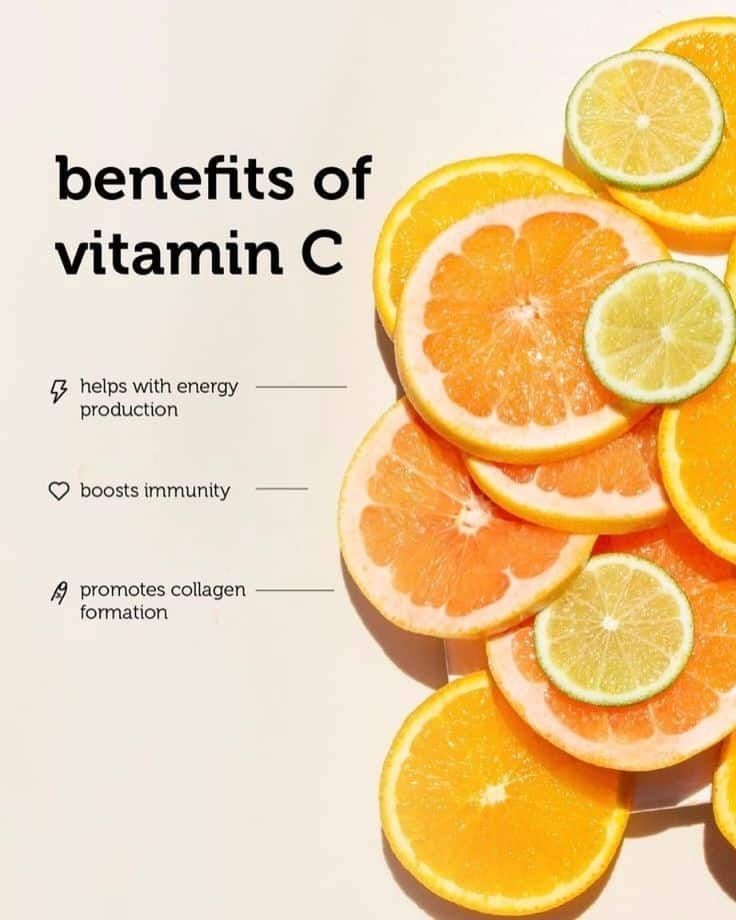
3. Boosts Collagen Production
Collagen is the structural protein that helps keep skin firm and elastic. As we age, natural collagen production decreases.
Vitamin C supports collagen synthesis, which may help improve the appearance of fine lines and maintain firmer-looking skin over time.
4. Protects Against Environmental Damage
Every day, your skin is exposed to pollution, UV rays, and other environmental stressors.
As an antioxidant, Vitamin C helps neutralize free radicals, supporting healthier-looking skin when used as part of a daily routine.
5. Improves Overall Skin Tone
Regular use of Vitamin C can contribute to a brighter, more even complexion and reduce the appearance of discoloration.
Niacinamide vs. Vitamin C: Key Differences
Although both ingredients improve skin health, they focus on different concerns.
| Feature | Niacinamide | Vitamin C |
|---|---|---|
| Main Function | Strengthens the skin barrier | Brightens and protects skin |
| Best For | Oily, acne-prone, and sensitive skin | Dull skin, pigmentation, and photoaging |
| Oil Control | Excellent | Mild |
| Reduces Redness | Excellent | Moderate |
| Brightening | Good | Excellent |
| Dark Spots | Good | Excellent |
| Collagen Support | Moderate | Excellent |
| Suitable for Beginners | Yes | Yes, though some formulations may be more potent |
| Daily Use | Yes | Yes |
Which Ingredient Is Better for Your Skin Type?
The answer depends largely on your skin’s needs.
Oily Skin
If your skin becomes shiny quickly or is prone to clogged pores, niacinamide is often an excellent choice. It helps regulate oil production while supporting the skin barrier.
Dry Skin
Dry skin benefits from ingredients that help maintain moisture. Niacinamide supports hydration by strengthening the skin barrier, while Vitamin C can complement a moisturizing routine when paired with a suitable moisturizer.
Sensitive Skin
People with sensitive skin often tolerate niacinamide well because of its calming properties. Vitamin C can also be suitable, but choosing a gentler formulation and introducing it gradually may reduce the chance of irritation.
Combination Skin
Combination skin can benefit from either ingredient, depending on the concerns being addressed. Many people find that using both in a balanced routine provides complementary benefits.
Niacinamide vs. Vitamin C for Acne

Acne-prone skin often requires products that reduce oil, calm inflammation, and support healing.
Niacinamide is particularly well suited for these goals. It helps regulate excess sebum, supports the skin barrier, and may reduce redness associated with blemishes. It can also help improve the appearance of post-acne marks over time.
Vitamin C is not primarily an acne treatment, but it may help brighten skin and reduce the appearance of pigmentation left behind after breakouts. It also provides antioxidant support, which can contribute to overall skin health.
If your main concern is active acne and oiliness, niacinamide is generally the better choice. If your focus is fading the marks left after acne has healed, Vitamin C can be a valuable addition to your routine.
Niacinamide vs. Vitamin C for Dark Spots

Dark spots and uneven skin tone are among the most common skincare concerns.
Vitamin C is widely recognized for its ability to brighten the complexion and reduce the appearance of pigmentation by helping to limit excess melanin production.
Niacinamide also contributes to a more even-looking complexion by reducing pigment transfer within the skin.
For many people, these ingredients complement each other rather than compete. Using them thoughtfully as part of a consistent skincare routine may help improve the appearance of dark spots over time.
(Continue in Part 2: Anti-aging benefits, using niacinamide and Vitamin C together, common myths, skincare routine, mistakes to avoid, FAQs, and the final verdict.)
Niacinamide vs. Vitamin C: Which Is Better for Anti-Aging?
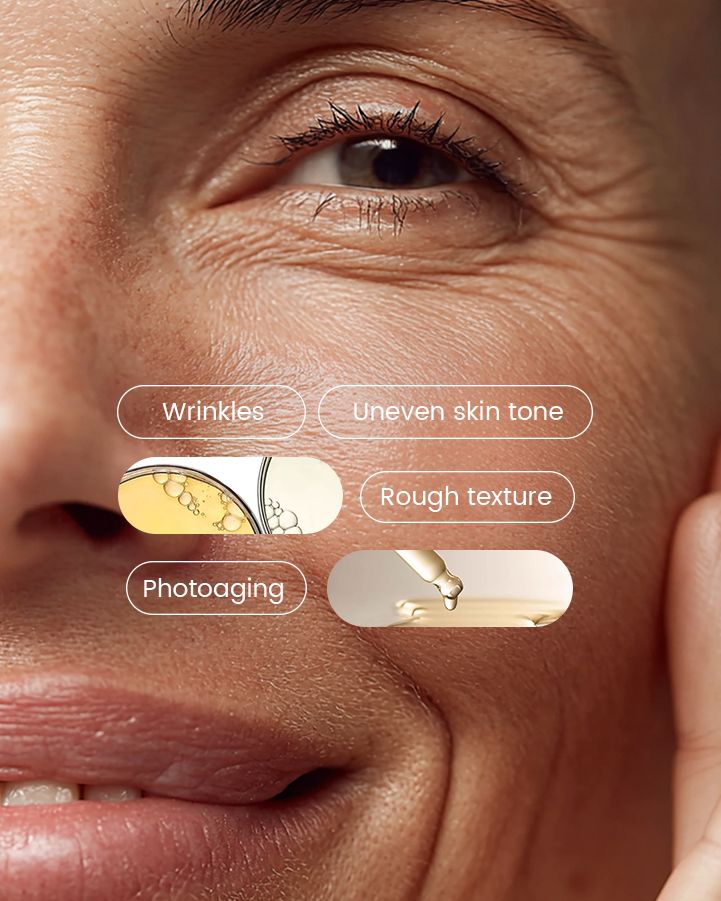
As we age, our skin naturally produces less collagen and elastin, leading to fine lines, wrinkles, and a loss of firmness. Environmental factors such as sun exposure, pollution, smoking, and stress can also accelerate these visible signs of aging.
Both niacinamide and Vitamin C offer anti-aging benefits, but they work in different ways.
How Niacinamide Helps with Anti-Aging
Niacinamide supports healthy aging by strengthening the skin barrier, improving hydration, and reducing moisture loss. Well-hydrated skin often appears smoother, plumper, and more resilient.
Regular use of niacinamide may help:
- Improve skin elasticity
- Reduce the appearance of fine lines
- Minimize rough texture
- Support a healthier skin barrier
- Improve uneven skin tone
These benefits make niacinamide an excellent long-term ingredient for maintaining healthy-looking skin.
How Vitamin C Helps with Anti-Aging
Vitamin C is one of the most effective antioxidants used in skincare. Its biggest anti-aging advantage is its role in collagen production.
Collagen is responsible for keeping the skin firm and youthful. As collagen levels decline with age, wrinkles become more noticeable. Vitamin C supports collagen synthesis, helping maintain firmer-looking skin over time.
Additional anti-aging benefits include:
- Brightening dull skin
- Reducing the appearance of age spots
- Helping protect against environmental damage
- Improving overall skin radiance
- Supporting a more even complexion
Which One Wins?
If your primary concern is preventing signs of aging and improving skin brightness, Vitamin C has a slight advantage because of its antioxidant properties and role in collagen production.
However, if your skin is dry, sensitive, or easily irritated, niacinamide offers valuable support by strengthening the skin barrier and improving hydration.
For many people, using both ingredients together can provide the broadest range of benefits.
Can You Use Niacinamide and Vitamin C Together?
Yes. One of the most common skincare myths is that niacinamide and Vitamin C should never be used together.
This belief originated from older laboratory studies that used conditions not representative of modern skincare products. Today’s formulations are designed to be stable and compatible, allowing these ingredients to work well together in many routines.
Benefits of Using Both
Combining niacinamide and Vitamin C can help you:
- Brighten your complexion
- Improve skin hydration
- Support collagen production
- Strengthen the skin barrier
- Reduce redness
- Improve uneven skin tone
- Minimize the appearance of dark spots
- Protect against environmental stressors
If you are new to active skincare ingredients or have sensitive skin, introduce one product at a time. This makes it easier to identify how your skin responds.
How to Use Niacinamide and Vitamin C in Your Skincare Routine

Building a consistent skincare routine is just as important as choosing the right ingredients.
Morning Routine
- Gentle cleanser
- Vitamin C serum
- Niacinamide serum (if using both in the same routine)
- Moisturizer
- Broad-spectrum sunscreen (SPF 30 or higher)
Vitamin C is often used in the morning because its antioxidant properties help protect the skin from daily environmental stressors. Sunscreen remains essential, as no serum replaces sun protection.
Evening Routine
- Cleanser
- Niacinamide serum
- Moisturizer
Some people prefer using Vitamin C in the morning and niacinamide at night, especially if they have sensitive skin or are introducing new products gradually.
Common Mistakes to Avoid
Even the best skincare ingredients may not deliver the desired results if they are used incorrectly.
1. Skipping Sunscreen
No brightening routine is complete without sunscreen. Daily UV exposure can contribute to dark spots, premature aging, and reduced effectiveness of pigmentation treatments.
2. Expecting Overnight Results
Healthy skin takes time. Visible improvements from niacinamide or Vitamin C often require several weeks of consistent use.
3. Using Too Many New Products at Once
Introducing multiple active ingredients simultaneously can make it difficult to identify the cause of irritation if it occurs.
4. Ignoring Your Skin Type
Not every product suits every person. Consider your skin type, concerns, and tolerance when selecting formulations.
5. Applying Products in the Wrong Order
A general guideline is to apply products from the thinnest consistency to the thickest, finishing with moisturizer and sunscreen in the morning.
Tips for Choosing the Right Serum
With so many skincare products on the market, choosing the right serum can feel overwhelming.
Here are a few practical tips:
- Choose products from reputable brands.
- Check the ingredient list rather than relying only on marketing claims.
- Look for packaging that helps preserve product stability, especially for Vitamin C.
- Patch-test new products before applying them to your entire face.
- Follow the product’s directions for use and storage.
If you have persistent skin concerns or medical skin conditions, consider consulting a dermatologist for personalized advice.
Who Should Choose Niacinamide?
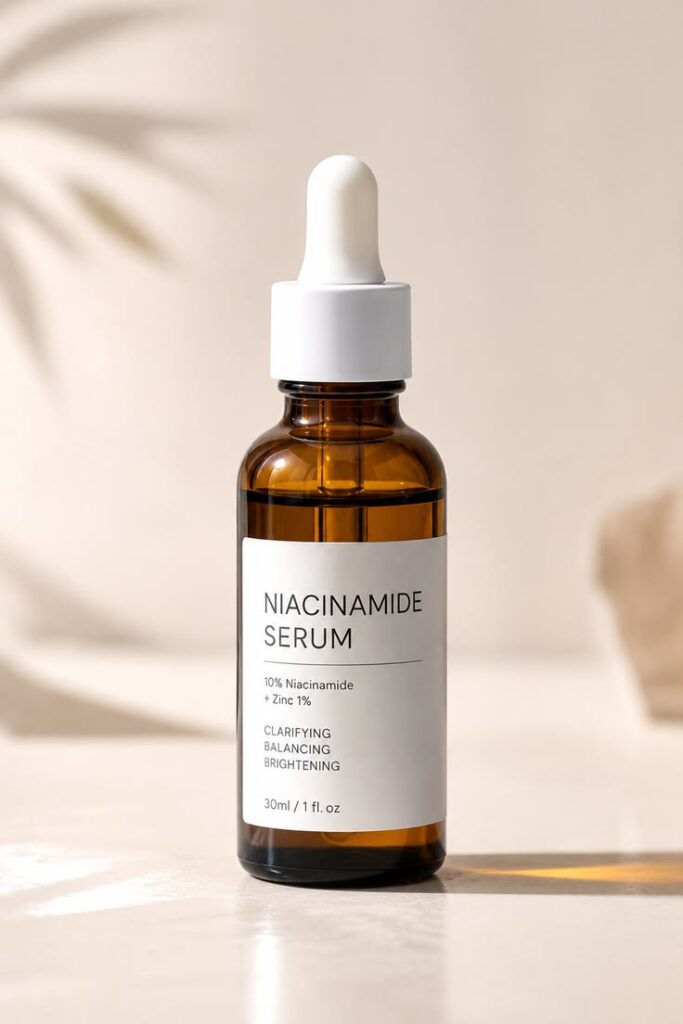
Niacinamide may be a good option if you want to:
- Reduce excess oil
- Support your skin barrier
- Calm redness
- Improve skin texture
- Minimize the appearance of pores
- Maintain healthy-looking skin with a gentle ingredient
Who Should Choose Vitamin C?
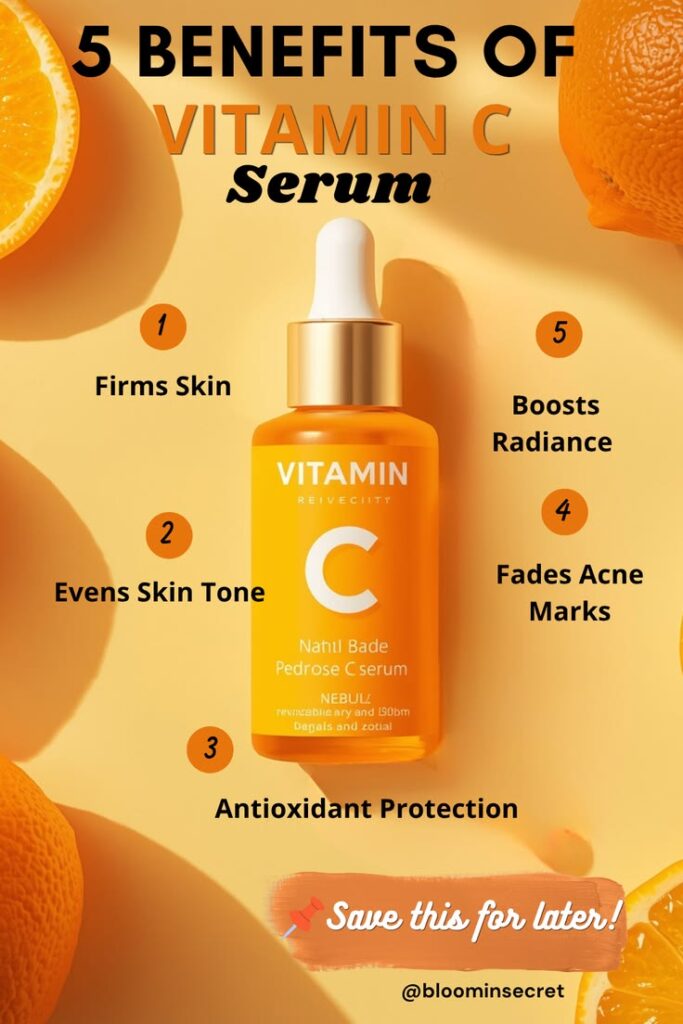
Vitamin C may be a good option if your goals include:
- Brightening dull skin
- Improving the appearance of dark spots
- Supporting collagen production
- Protecting against environmental stressors
- Enhancing overall skin radiance
Frequently Asked Questions
Is niacinamide better than Vitamin C?
Neither ingredient is universally better. Niacinamide is often preferred for strengthening the skin barrier, reducing oil, and calming irritation, while Vitamin C is particularly effective for brightening the complexion and supporting collagen production.
Can I use niacinamide every day?
Yes. Most people can use niacinamide daily as directed by the product. If you are trying a new formulation, introduce it gradually and monitor how your skin responds.
Can I use Vitamin C every day?
Many people use Vitamin C once daily. If you are new to Vitamin C or have sensitive skin, starting with a lower concentration or using it less frequently may help improve tolerance.
Which ingredient is better for acne scars?
Niacinamide can help improve the appearance of post-acne marks over time, while Vitamin C is particularly helpful for brightening discoloration. Depending on your skin’s needs, one or both ingredients may be appropriate.
Do I need sunscreen if I use Vitamin C?
Yes. Daily sunscreen is important regardless of whether you use Vitamin C. Sunscreen helps protect your skin from UV damage and supports the effectiveness of your overall skincare routine.
Final Verdict: Niacinamide vs. Vitamin C
When comparing niacinamide vs. Vitamin C, there is no single winner because each ingredient offers unique benefits.
Choose niacinamide if your goals are to support your skin barrier, manage excess oil, reduce redness, or improve overall skin balance.
Choose Vitamin C if your priority is brighter-looking skin, reducing the appearance of pigmentation, supporting collagen production, or protecting against environmental stressors.
For many skincare routines, the best approach is not choosing one over the other—it is using both thoughtfully. Together, they can address multiple concerns, from uneven skin tone and dehydration to dullness and visible signs of aging.
Whatever ingredients you choose, consistency, patience, and daily sun protection are key. Healthy-looking skin is built over time through a routine that matches your skin type and skincare goals.
Key Takeaways
- Niacinamide helps strengthen the skin barrier and regulate oil production.
- Vitamin C brightens the complexion and supports collagen production.
- Both ingredients can help improve the appearance of uneven skin tone.
- Modern skincare formulations generally allow niacinamide and Vitamin C to be used together.
- Daily sunscreen is an essential part of any skincare routine.
- Consistent use and choosing products suited to your skin type are more important than following trends.