
 By
By You buy a sunscreen, apply it every morning, and feel like you’re doing the right thing. Then you open Instagram, watch a dermatologist on YouTube, or scroll through skincare discussions, and suddenly you’re hearing terms like mineral sunscreen, chemical sunscreen, physical sunscreen, zinc oxide, and oxybenzone.
Before you know it, you’re standing in front of a store shelf wondering whether you’ve been using the “wrong” sunscreen all along.
Even the best sunscreen won’t help much if you’re not applying enough. Before choosing between mineral and chemical sunscreen, make sure you’re using the correct amount by following the Two-Finger Rule.
How Much Sunscreen to Apply on Your Face?
The truth is, the debate around mineral vs chemical sunscreen isn’t as simple as one being good and the other being bad. Both protect your skin from harmful UV rays. Both have advantages. And both have situations where they make more sense.
So if you’ve been wondering mineral vs chemical sunscreen which is better, this guide will help you understand the real differences without the confusion.
What Is Mineral Sunscreen?
Mineral sunscreen, sometimes called physical sunscreen, uses natural mineral filters that sit on the surface of the skin and help protect it from UV radiation.
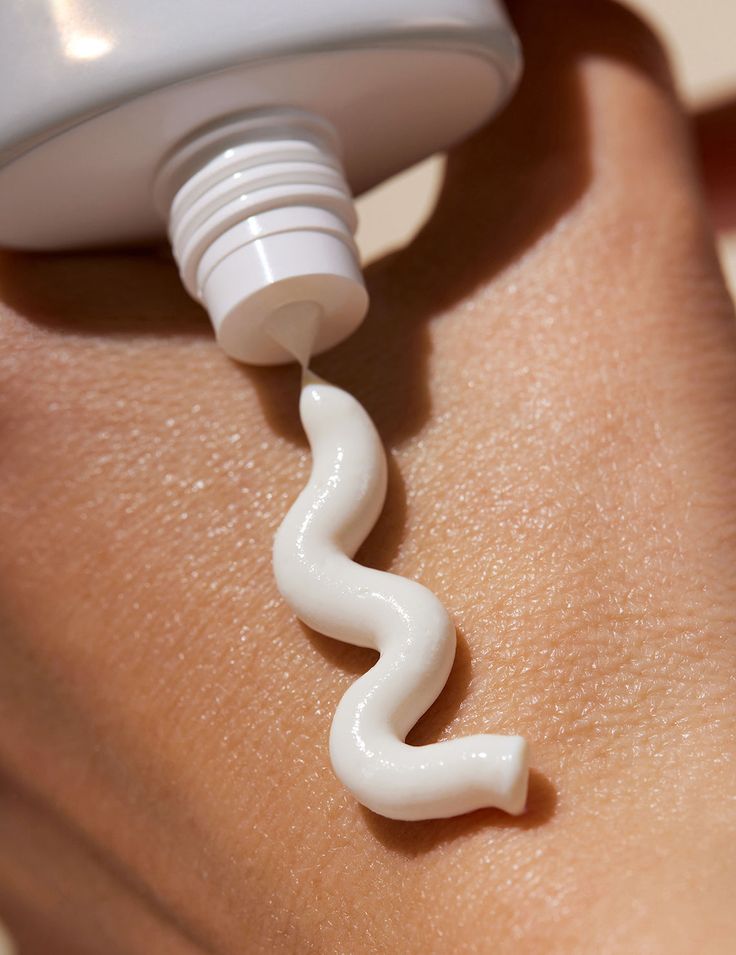
The two active ingredients you’ll usually find are:
- Zinc Oxide
- Titanium Dioxide
These minerals create a protective layer that reflects and scatters UV rays away from the skin.
Years ago, mineral sunscreens were famous for leaving a thick white cast. Thankfully, modern formulas have improved dramatically. Many newer products blend much better, although some white cast can still be noticeable, especially on deeper Indian skin tones.
What Is Chemical Sunscreen?
Chemical sunscreen works differently.
Instead of sitting on top of the skin, it contains ingredients that absorb UV rays and convert them into heat, which is then released from the skin.
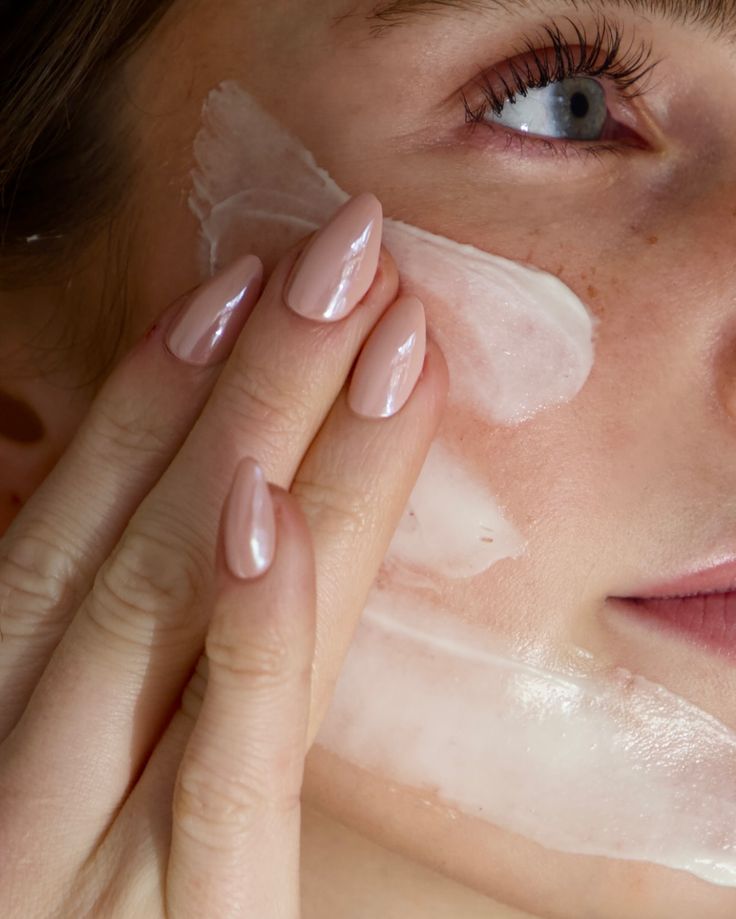
Some common chemical sunscreen ingredients include:
- Avobenzone
- Octinoxate
- Octocrylene
- Homosalate
- Oxybenzone
- Tinosorb S
- Tinosorb M
- Uvinul A Plus
- Uvinul T 150
Modern chemical sunscreens often feel lightweight, invisible, and comfortable, which is one reason they’re so popular.
Many Korean and Japanese sunscreens, for example, are chemical or hybrid formulations because they prioritize elegant texture and daily wear comfort.
Mineral vs Chemical Sunscreen: How Do They Actually Work?
One of the biggest misconceptions in skincare is that mineral sunscreen only reflects UV rays while chemical sunscreen only absorbs them.
The reality is a little more nuanced.
Also checkout this blog [Click Here]
Modern research suggests that mineral sunscreens also absorb a portion of UV radiation, while chemical filters primarily absorb UV energy and transform it before it damages the skin.
For everyday users, the important takeaway is simple:
Both mineral and chemical sunscreens can provide excellent protection when formulated properly and applied correctly.
The bigger issue is usually whether you’re applying enough sunscreen and reapplying it when needed.
Mineral vs Chemical Sunscreen Which Is Better?
This is probably the most searched question online.
And honestly, the answer depends on your skin type, lifestyle, and personal preferences.
If you hate thick textures and want something that disappears instantly, you’ll probably prefer chemical sunscreen.
If your skin is highly sensitive or easily irritated, mineral sunscreen may be a better fit.
If you ask many dermatologists about mineral vs chemical sunscreen dermatologist recommendations, you’ll often hear the same answer:
The best sunscreen is the one you’ll wear consistently every day.
A sunscreen that feels amazing on your skin and gets used daily is far more effective than a theoretically “better” sunscreen that sits forgotten in a drawer.
Key Differences in Texture and Feel
This is where most people notice the biggest difference.
Mineral Sunscreens
Mineral formulas tend to:
- Feel thicker
- Leave some white cast
- Have a matte finish
- Feel heavier on the skin
Many people with oily skin find them slightly drying, while people with sensitive skin often appreciate the simplicity of the ingredients.
Chemical Sunscreens
Chemical formulas generally:
- Feel lightweight
- Blend quickly
- Leave little to no white cast
- Work well under makeup
This is especially important in India’s hot and humid climate where heavy products can feel uncomfortable.
For many people, daily sunscreen compliance improves dramatically when using lightweight chemical formulas.
Mineral vs Chemical Sunscreen Which Is Safer?
The question of mineral vs chemical sunscreen which is safer often creates unnecessary fear.
Both types of sunscreen are considered safe when approved by regulatory agencies and used as directed.
That said, some people prefer mineral sunscreen because zinc oxide and titanium dioxide remain on the skin’s surface and have a long history of use.
Chemical filters have undergone extensive safety testing as well, but certain ingredients like oxybenzone have generated debate over the years, leading some consumers to seek alternatives.
If safety is your primary concern and you want the simplest option possible, mineral sunscreen often provides greater peace of mind.
If you enjoy the feel of chemical sunscreen and use it consistently, current evidence supports its safety for everyday use.
Mineral vs Chemical Sunscreen Pregnancy: Which Should You Choose?
Pregnancy often changes how people approach skincare.
When discussing mineral vs chemical sunscreen pregnancy, many dermatologists recommend mineral sunscreen as a precautionary choice.
Why?
Because zinc oxide and titanium dioxide have minimal skin absorption and are generally considered low-risk options.
That doesn’t automatically mean chemical sunscreens are dangerous during pregnancy. It simply means many healthcare professionals prefer the more conservative route.
If you’re pregnant, it’s always worth discussing sunscreen choices with your healthcare provider.
Mineral vs Chemical Sunscreen for Acne Prone Skin
Acne-prone skin can make sunscreen shopping feel frustrating.
You finally find a sunscreen with good protection, then it feels greasy or seems to trigger breakouts.
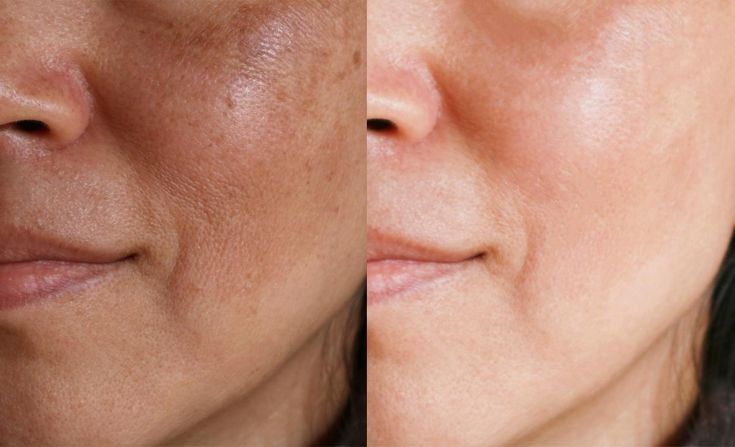
When it comes to mineral vs chemical sunscreen for acne prone skin, there isn’t one universal winner.
Mineral Sunscreens for Acne
Pros:
- Often contain fewer potentially irritating ingredients
- Can be suitable for sensitive acne-prone skin
- Zinc oxide may help calm inflammation
Cons:
- Heavier texture may feel uncomfortable
- Some formulas can clog pores if poorly formulated
Chemical Sunscreens for Acne
Pros:
- Lightweight textures
- Less greasy feel
- Easier daily wear
Cons:
- Certain filters may irritate highly sensitive skin
The best approach is choosing a non-comedogenic formula regardless of sunscreen type.
Mineral vs Chemical Sunscreen for Hyperpigmentation
Hyperpigmentation is one of the biggest skincare concerns among Indian skin tones.
Whether you’re dealing with acne marks, melasma, or sun spots, sunscreen plays a critical role in preventing dark spots from becoming darker.
If you’re struggling with hyperpigmentation, understanding why tanning can still happen despite sunscreen use is equally important.
How to Remove Tan Naturally and Effectively
For mineral vs chemical sunscreen for hyperpigmentation, many experts slightly favor mineral sunscreens because zinc oxide provides excellent protection across a broad range of UV wavelengths.
However, consistency matters more than sunscreen category.
A chemical sunscreen applied correctly every day will usually outperform a mineral sunscreen that’s applied occasionally.
If you’re treating hyperpigmentation, focus on:
- SPF 30 or higher
- Broad-spectrum protection
- Daily use
- Proper reapplication
Those factors matter far more than whether the formula is mineral or chemical.
How to Tell Mineral vs Chemical Sunscreen
Many people ask how to tell mineral vs chemical sunscreen just by looking at the bottle.
The easiest method is reading the active ingredients.
Mineral Sunscreen Ingredients
If you see:
- Zinc Oxide
- Titanium Dioxide
It’s a mineral sunscreen.
Chemical Sunscreen Ingredients
If you see:
- Avobenzone
- Octinoxate
- Octocrylene
- Homosalate
- Oxybenzone
- Uvinul filters
- Tinosorb filters
It’s a chemical sunscreen.
Hybrid Sunscreens
Some products contain both mineral and chemical filters.
These are known as hybrid sunscreens and attempt to combine the strengths of both categories.
So if you’ve ever wondered how to know if sunscreen is mineral or chemical, checking the active ingredient list is the fastest answer.
Pros and Cons of Mineral vs Chemical Sunscreen
Understanding the pros and cons of mineral vs chemical sunscreen can make your decision easier.
Mineral Sunscreen Advantages
- Great for sensitive skin
- Often preferred during pregnancy
- Broad-spectrum protection
- Minimal skin absorption
Mineral Sunscreen Disadvantages
- White cast
- Heavier texture
- Can feel dry or chalky
Chemical Sunscreen Advantages
- Lightweight feel
- Invisible finish
- Comfortable daily wear
- Excellent cosmetic elegance
Chemical Sunscreen Disadvantages
- May irritate very sensitive skin
- Some ingredients remain controversial among consumers
- Can occasionally sting around the eyes
Neither category is perfect.
Each simply solves a different problem.
Do Dermatologists Prefer Mineral or Chemical Sunscreen?
A common search term is mineral vs chemical sunscreen dermatologist opinion.

Most dermatologists don’t universally prefer one over the other.
Instead, they usually recommend based on the patient’s situation.
Sensitive skin? Mineral sunscreen.
Choosing the right SPF matters just as much as choosing between mineral and chemical filters.
SPF 50 vs SPF 30: The Ultimate and Surprising Truth About Sunscreen Protection
Melasma or post-procedure skin? Often mineral sunscreen.
Someone who never wears sunscreen because they hate heavy textures? Chemical sunscreen.
The recommendation is personalized, not ideological.
Is Korean Sunscreen Mineral or Chemical?
Many people assume all Korean sunscreens are mineral.
Actually, most popular Korean formulas are chemical or hybrid sunscreens.
The reason is simple.
Korean skincare focuses heavily on texture and user experience. Lightweight, invisible formulations encourage consistent daily use.
That’s why many Korean sunscreens feel almost like a moisturizer rather than a traditional sunscreen.
Is Cetaphil Sunscreen Mineral or Chemical?
The answer depends on the specific product.
Cetaphil makes both mineral and chemical sunscreen formulations.
Always check the active ingredient list instead of relying on the brand name alone.
The ingredients will tell you exactly which type you’re buying.
Best Mineral Sunscreen: What Should You Look For?
When searching for the best mineral sunscreen, focus less on marketing claims and more on practical factors.
Look for:
- Zinc oxide as a primary active ingredient
- SPF 30 or higher
- Broad-spectrum protection
- Comfortable texture
- Minimal white cast
- Good reviews from people with a similar skin type
For Indian skin tones, newer tinted mineral sunscreens often provide a more natural finish than traditional white formulas.
Mineral vs Physical vs Chemical Sunscreen: Clearing Up the Confusion
One last thing.
People often search for physical vs mineral vs chemical sunscreen or mineral vs physical vs chemical sunscreen.
The important thing to know is:
Physical sunscreen and mineral sunscreen are essentially the same thing.
Both terms refer to sunscreens that use zinc oxide and titanium dioxide.
So the real comparison is simply:
- Mineral (Physical) Sunscreen
- Chemical Sunscreen
Once you understand that, sunscreen labels become much easier to navigate.
Conclusion
The debate around mineral vs chemical sunscreen often makes it sound like you have to choose a winner. In reality, both types can protect your skin extremely well when used correctly.
If you have sensitive skin, are pregnant, or simply prefer minimalist formulas, mineral sunscreen may be your best choice. If you want a lightweight, invisible finish that feels effortless to wear every day, chemical sunscreen might fit your lifestyle better.
At the end of the day, the “best” sunscreen isn’t necessarily the most expensive one, the trendiest one, or the one people argue about online. It’s the sunscreen you enjoy wearing enough to apply every single day.
Because consistent protection beats perfect sunscreen every time.