
 By
By
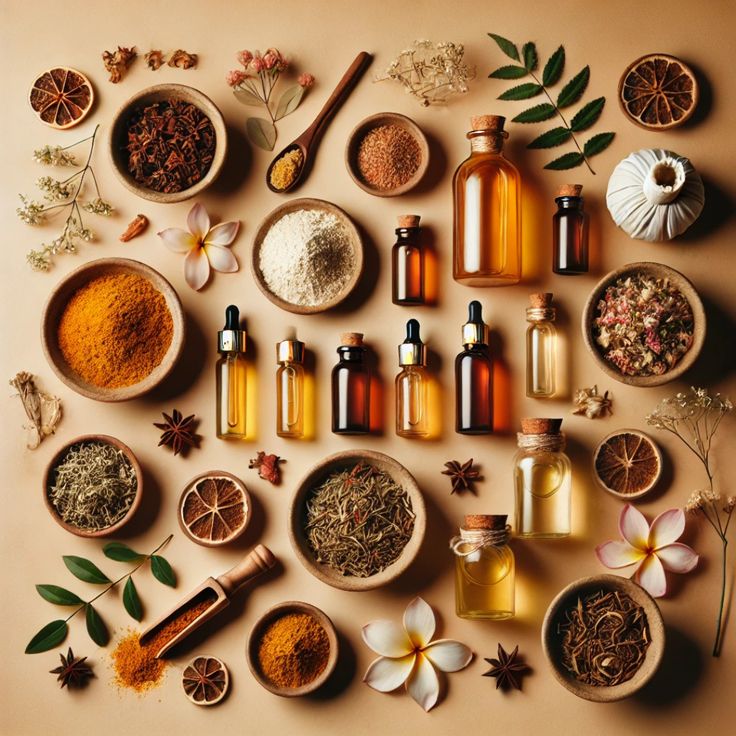
Modern Ayurveda and clean beauty are transforming the global skincare and wellness industry. Consumers today are becoming more conscious about what they apply to their skin and how those choices affect their overall health and the environment. As a result, the combination of ancient Ayurvedic wisdom and modern clean beauty standards has emerged as a powerful movement.
Modern Ayurveda and clean beauty focus on balance, natural ingredients, transparency, sustainability, and long-term wellness. Rather than offering quick fixes, this approach encourages healthy habits that support skin vitality from the inside out.
The growing popularity of natural skincare isn’t simply a trend. It reflects a broader shift toward mindful living. People want products that are effective, safe, environmentally responsible, and rooted in proven traditions. Ayurveda, a wellness system developed thousands of years ago, provides valuable insights that align perfectly with modern clean beauty principles.
In this article, we’ll explore how modern Ayurveda and clean beauty complement one another, the ingredients that make them effective, and practical ways to incorporate these concepts into your daily routine.
Understanding the Foundations of Ayurveda
The History of Ayurveda
Ayurveda is one of the world’s oldest holistic wellness systems. Originating in India more than 5,000 years ago, it emphasizes harmony between the body, mind, and spirit.
The term “Ayurveda” combines two Sanskrit words:
-
- Ayur = Life
-
- Veda = Knowledge
Together, they mean “the science of life.”
Ayurvedic practitioners believe that health results from maintaining balance in physical, emotional, and environmental factors.
The Three Doshas Explained
Ayurveda identifies three primary energies known as doshas:
Vata
Associated with air and space.
Characteristics:
-
- Creative
-
- Energetic
-
- Quick-thinking
Skin tendencies:
-
- Dryness
-
- Sensitivity
-
- Premature aging
Pitta
Associated with fire and water.
Characteristics:
-
- Focused
-
- Ambitious
-
- Strong digestion
Skin tendencies:
-
- Redness
-
- Irritation
-
- Acne
Kapha
Associated with earth and water.
Characteristics:
-
- Calm
-
- Stable
-
- Grounded
Skin tendencies:
-
- Oiliness
-
- Congestion
-
- Enlarged pores
Understanding your dominant dosha can help guide skincare choices and support healthier skin outcomes.
What Is Clean Beauty?
Core Principles of Clean Beauty
Clean beauty refers to products formulated with safety, transparency, and sustainability in mind.
Key principles include:
-
- Non-toxic ingredients
-
- Ethical sourcing
-
- Environmentally responsible manufacturing
-
- Transparent labeling
-
- Cruelty-free testing practices
While definitions may vary, clean beauty generally prioritizes ingredient awareness and consumer education.
Why Consumers Prefer Clean Beauty
Today’s consumers are more informed than ever. Many people carefully review ingredient lists and seek products that align with their values.
Reasons for the growing popularity of clean beauty include:
-
- Increased ingredient transparency
-
- Environmental concerns
-
- Ethical purchasing decisions
-
- Interest in natural wellness
-
- Desire for long-term skin health
This demand has encouraged brands to rethink traditional cosmetic formulations and embrace cleaner alternatives.
How Modern Ayurveda and Clean Beauty Work Together
Shared Values and Philosophies
Modern Ayurveda and clean beauty share several important principles.
These include:
| Ayurveda | Clean Beauty |
|---|---|
| Natural ingredients | Safe ingredients |
| Holistic wellness | Conscious consumption |
| Preventive care | Long-term skin health |
| Sustainability | Eco-friendly production |
| Personalization | Customized skincare |
Because both systems focus on overall well-being rather than temporary results, they naturally complement one another.
Holistic Wellness and Skin Health
Skin often reflects internal health. Ayurveda recognizes this connection and emphasizes factors such as:
-
- Nutrition
-
- Sleep quality
-
- Stress management
-
- Hydration
-
- Daily routines
Clean beauty supports this philosophy by reducing unnecessary exposure to potentially irritating substances while promoting skin-friendly formulations.
The result is a more comprehensive approach to beauty that addresses both internal and external factors.
Key Ayurvedic Ingredients in Clean Beauty
Modern Ayurveda and clean beauty rely heavily on botanical ingredients known for their traditional and scientific benefits.
Turmeric

Turmeric contains curcumin, a powerful antioxidant.
Benefits include:
-
- Brightening skin appearance
-
- Supporting even skin tone
-
- Helping calm visible redness
-
- Protecting against environmental stressors
Neem
Neem has been used in Ayurvedic traditions for centuries.
Benefits include:
-
- Purifying the skin
-
- Supporting blemish-prone complexions
-
- Maintaining skin balance
Ashwagandha
Ashwagandha is known as an adaptogenic herb.
Potential benefits include:
-
- Supporting stress resilience
-
- Enhancing skin vitality
-
- Protecting against oxidative stress
Sandalwood
Sandalwood remains a treasured Ayurvedic beauty ingredient.
Benefits include:
-
- Soothing skin
-
- Promoting a refreshed appearance
-
- Supporting overall skin comfort
Aloe Vera
Aloe vera continues to be a staple in both Ayurveda and clean beauty.
Benefits include:
-
- Hydration
-
- Cooling effects
-
- Skin barrier support
These ingredients demonstrate how traditional knowledge and modern formulation science can work together effectively.
Benefits of Modern Ayurveda and Clean Beauty
Skin Health Benefits
Modern Ayurveda and clean beauty offer numerous skincare advantages.
These include:
-
- Better hydration
-
- Enhanced skin comfort
-
- Improved skin appearance
-
- Reduced irritation potential
-
- Stronger skin barrier function
Because many formulations prioritize gentle plant-based ingredients, they may be suitable for a variety of skin types.
Environmental Benefits
Sustainability plays a major role in modern beauty decisions.
Benefits often include:
-
- Reduced environmental impact
-
- Sustainable ingredient sourcing
-
- Recyclable packaging
-
- Lower ecological footprints
Consumers increasingly value brands that demonstrate environmental responsibility.
Long-Term Wellness Benefits
Modern Ayurveda and clean beauty extend beyond appearance.
Potential wellness benefits include:
-
- Greater mindfulness
-
- Healthier routines
-
- Better self-care habits
-
- Improved awareness of ingredients
These lifestyle improvements can positively influence overall well-being.
Building an Ayurvedic Clean Beauty Routine
Creating a routine based on modern Ayurveda and clean beauty doesn’t have to be complicated.
Cleansing
Choose gentle cleansers that respect the skin barrier.
Look for:
-
- Botanical extracts
-
- Mild surfactants
-
- Hydrating ingredients
Avoid excessive cleansing that may disrupt natural skin balance.
Toning
A quality toner can help refresh the skin.
Consider ingredients such as:
-
- Rose water
-
- Aloe vera
-
- Herbal extracts
Moisturizing
Hydration remains essential regardless of skin type.
Select moisturizers containing:
-
- Plant oils
-
- Herbal ingredients
-
- Barrier-supportive compounds
Protection
Daily sun protection is critical.
Use broad-spectrum sunscreen while maintaining an overall clean beauty approach.
Consistency often delivers better results than frequent product changes.
Common Myths About Ayurveda and Clean Beauty
Several misconceptions continue to circulate.
Myth 1: Natural Means Risk-Free
Natural ingredients can still cause sensitivities in some individuals.
Patch testing remains important.
Myth 2: Clean Beauty Is Less Effective
Modern formulations often combine advanced research with natural ingredients, creating highly effective products.
Myth 3: Ayurveda Is Outdated
Ayurveda continues to evolve. Modern research frequently explores traditional ingredients and their potential applications.
Myth 4: Clean Beauty Is Only a Trend
Consumer demand suggests clean beauty represents a lasting shift toward transparency and sustainability.
Scientific Support for Ayurvedic Beauty Practices
Research into botanical ingredients continues to expand.
Many Ayurvedic herbs contain:
-
- Antioxidants
-
- Phytonutrients
-
- Bioactive compounds
Scientific studies have examined ingredients such as:
-
- Turmeric
-
- Neem
-
- Aloe vera
-
- Ashwagandha
These investigations contribute to a growing understanding of how traditional remedies may support modern skincare goals.
For additional information on natural skincare research, readers may explore resources from the National Center for Complementary and Integrative Health:
https://www.nccih.nih.gov
While further studies are always valuable, current evidence continues to support the potential benefits of many Ayurvedic ingredients.
Choosing the Right Products
Selecting products within the modern Ayurveda and clean beauty category requires careful evaluation.
Consider the following factors:
Ingredient Transparency
Look for brands that clearly disclose ingredient information.
Third-Party Testing
Independent testing may provide additional confidence regarding quality.
Ethical Sourcing
Responsible sourcing helps protect ecosystems and farming communities.
Packaging Sustainability
Prefer recyclable or reusable packaging whenever possible.
Brand Reputation
Evaluate:
-
- Customer reviews
-
- Company values
-
- Ingredient quality
-
- Manufacturing standards
Thoughtful purchasing decisions support both personal wellness and environmental responsibility.
Future Trends in Modern Ayurveda and Clean Beauty
The future looks promising for modern Ayurveda and clean beauty.
Emerging trends include:
Personalized Beauty
Technology is enabling more customized skincare recommendations.
Sustainable Innovation
Brands continue developing environmentally friendly packaging solutions.
Advanced Botanical Research
Scientists are exploring new applications for traditional Ayurvedic ingredients.
Holistic Wellness Integration
Beauty, nutrition, mental wellness, and lifestyle practices are becoming increasingly interconnected.
Transparent Supply Chains
Consumers expect greater visibility into sourcing and manufacturing processes.
These developments suggest that the partnership between Ayurveda and clean beauty will continue to strengthen in the years ahead.
Frequently Asked Questions
1. What is modern Ayurveda and clean beauty?
Modern Ayurveda and clean beauty combine traditional Ayurvedic wellness principles with contemporary standards for safe, transparent, and environmentally responsible skincare products.
2. Is Ayurveda suitable for all skin types?
Ayurveda emphasizes personalized care. Different ingredients and routines may be recommended based on individual skin needs and dosha characteristics.
3. Are clean beauty products completely chemical-free?
No. Everything contains chemicals, including water and plants. Clean beauty generally refers to products formulated with carefully selected ingredients that prioritize safety and transparency.
4. Which Ayurvedic ingredient is best for glowing skin?
Turmeric is among the most popular Ayurvedic ingredients for promoting a brighter and healthier-looking complexion.
5. Can modern Ayurveda and clean beauty help sensitive skin?
Many products focus on gentle, botanical ingredients that may support sensitive skin. However, individual responses vary, and patch testing is recommended.
6. How long does it take to see results?
Results depend on the individual, product selection, consistency, and overall lifestyle habits. Improvements often become more noticeable with regular long-term use.
7. Are clean beauty products environmentally friendly?
Many clean beauty brands prioritize sustainable sourcing, ethical production, and eco-conscious packaging, although practices vary by company.
8. Why is modern Ayurveda becoming popular again?
Consumers increasingly seek holistic wellness solutions, natural ingredients, sustainability, and personalized self-care practices—all of which align closely with Ayurvedic principles.
Conclusion
Modern Ayurveda and clean beauty represent a meaningful evolution in skincare and wellness. By combining ancient wisdom with contemporary scientific understanding, this approach offers a balanced path toward healthier skin and more mindful living.
The growing interest in modern Ayurveda and clean beauty reflects a broader cultural movement toward sustainability, transparency, and holistic well-being. From powerful botanical ingredients such as turmeric, neem, and aloe vera to personalized skincare routines inspired by dosha principles, the benefits extend far beyond surface-level beauty.
As consumers continue prioritizing ingredient awareness and environmental responsibility, modern Ayurveda and clean beauty are likely to remain influential forces shaping the future of personal care. Embracing these principles can help individuals cultivate healthier habits, support sustainable practices, and enjoy radiant skin through a thoughtful, balanced approach to beauty.