 By
By Introduction
If you’ve been staring at the same dark spots in the mirror every morning and wondering why they’re not disappearing, you’re not alone. One of the most frustrating things about hyperpigmentation is that it rarely fades as quickly as we want it to. Social media often makes it seem like a serum can erase years of pigmentation in a few weeks, but real skin doesn’t work that way.
So, how long does pigmentation take to fade? This is one of the most common questions dermatologists hear from people struggling with dark spots, melasma, and acne marks.
The honest answer is that it depends on the type, depth, and cause of the pigmentation. Mild surface-level post-inflammatory hyperpigmentation (PIH) may fade within 3–6 months, while deeper pigmentation such as melasma can take a year or longer and may require ongoing treatment.
Many people start a skincare routine, use their products consistently for three weeks, and feel disappointed when they don’t see major changes. That’s completely understandable. In fact, a common experience shared by people dealing with pigmentation is realizing that meaningful improvement often takes 12–18 weeks or more, not days.
The good news? Pigmentation can improve significantly with the right approach. The key is understanding what type of pigmentation you have, using proven treatments, and giving your skin enough time to respond.
👉🏻For more details on How Long Does Pigmentation Take to Fade? Read this
Table of Contents
What Type of Pigmentation Do You Have? (It Changes Everything)
Before discussing treatment options, it’s important to understand that how long does pigmentation take to fade depends largely on the type of pigmentation you’re dealing with.
Not all pigmentation behaves the same way. Understanding the type you’re dealing with is the first step in predicting how long it will take to fade.
Post-Inflammatory Hyperpigmentation (PIH)
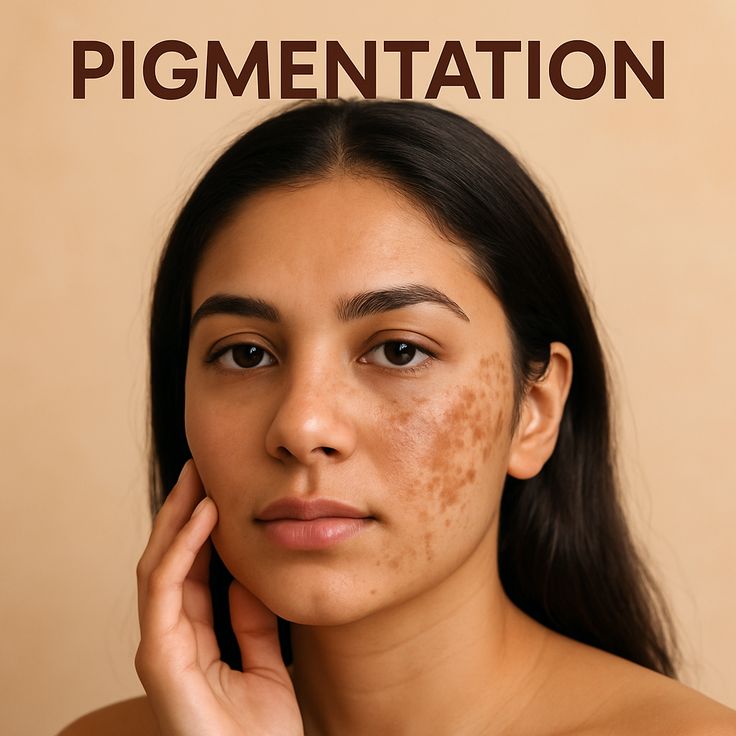
Post-inflammatory hyperpigmentation (PIH) develops after skin inflammation or injury.
Common triggers include:
- Acne breakouts
- Waxing
- Threading
- Burns
- Scratches
- Aggressive skincare treatments
PIH is usually one of the most treatable forms of pigmentation. Surface-level PIH may fade relatively quickly, especially in lighter skin tones. However, deeper PIH in darker skin tones often takes considerably longer because melanin production is naturally more active.
Melasma
Melasma is a chronic pigmentation disorder often triggered by:
- Pregnancy
- Birth control pills
- Hormonal changes
- Sun exposure
- Genetics
Melasma typically appears as symmetrical brown or gray patches on the cheeks, forehead, upper lip, and chin.
Unlike PIH, melasma is notoriously stubborn and tends to recur even after successful treatment. Many people mistakenly assume they have acne-related pigmentation when they actually have melasma.
Sun Damage / Solar Lentigines (Age Spots)

Years of UV exposure can lead to sun-induced dark spots known as solar lentigines or age spots.
These spots:
- Accumulate gradually
- Become more common with age
- Often require targeted treatment
- Respond slowly to skincare alone
Without intervention, they may remain visible for years.
Post-Acne Dark Marks
Post-acne marks are among the most common forms of pigmentation.
Many people confuse them with acne scars, but there’s an important difference:
- Dark marks = pigment issue
- Scars = texture issue
Pigmentation can fade over time. Textural scars typically require professional treatments.
How Long Does Pigmentation Take to Fade Naturally?
When people ask how long does pigmentation take to fade naturally, the answer varies from a few months to several years depending on the depth of the pigment and your daily sun protection habits.
This is the question most people are searching for.
Mild Surface PIH
With diligent sun protection alone:
Timeline: 3–6 months
These marks often fade gradually as the skin naturally renews itself.
Moderate Hyperpigmentation
Pigmentation that has been present for several months usually requires:
Timeline: 6–12 months naturally
Results are often slow but noticeable over time.
Deep or Chronic Pigmentation
Conditions such as melasma and longstanding sun damage may take:
Timeline: 1–2 years or more
Some cases may not fully fade without active treatment.
Why Pigmentation Takes So Long
Your skin follows a natural renewal cycle.
On average:
- Younger skin renews every 28 days
- Adult skin often takes 30–40 days
- Aging skin may take even longer
This means pigment doesn’t disappear overnight.
Most dermatologists recommend waiting through at least two complete skin cycles before evaluating progress. That’s why visible changes often don’t appear until 12–18 weeks into a routine.
If you’ve been treating pigmentation for only three weeks and see no difference, that’s usually normal—not a sign that your products are failing.
How Long Does Pigmentation Take to Fade With Treatment?

Treatment can significantly speed up the fading process compared to waiting for pigmentation to disappear naturally.
Many readers researching how long does pigmentation take to fade are looking for ingredients that can speed up the process without damaging their skin barrier.
Niacinamide
Niacinamide for dark spots has become one of the most researched skincare ingredients.
Benefits include:
- Reducing melanin transfer
- Strengthening the skin barrier
- Calming inflammation
Timeline
Most people notice visible improvement in:
8–12 weeks
Consistency matters more than concentration.
Using niacinamide twice daily often produces the best results.
Related Reading
If you’re dealing with acne marks, uneven skin tone, or stubborn pigmentation common in Indian skin, niacinamide is one of the most effective ingredients to add to your routine.
👉 Niacinamide for Indian Skin: The Complete Guide to Brighter, Clearer, and Healthier Skin – Click Here
This guide explains how niacinamide works, who should use it, and how to combine it with other pigmentation-fighting ingredients.
If you’re wondering how long does pigmentation take to fade with Vitamin C, most people need several months of consistent use before seeing significant changes.
Vitamin C
Vitamin C for pigmentation works by helping inhibit excess melanin production while protecting skin from oxidative damage.
Benefits:
- Brightens overall complexion
- Supports collagen production
- Helps prevent future discoloration
Timeline
Noticeable improvement typically appears within:
8–16 weeks
Results depend heavily on formulation quality and stability.
Related Reading
Vitamin C is one of the most popular ingredients for treating pigmentation caused by sun exposure, acne marks, and uneven skin tone.
👉 Vitamin C for Indian Skin: The Ultimate Guide to Fading Dark Spots & Pigmentation – Click Here
Learn how to choose the right Vitamin C serum, avoid irritation, and maximize results for Indian skin tones.
Retinoids (Retinol and Tretinoin)
Retinoids accelerate cell turnover and help fade pigmentation over time.
Benefits include:
- Faster skin renewal
- Improved texture
- Reduced appearance of dark spots
Timeline
Expect:
3–6 months
Some people experience temporary purging or irritation initially, which can make pigmentation appear darker before it improves.
AHAs and Chemical Exfoliants
Ingredients such as:
- Glycolic acid
- Lactic acid
- Mandelic acid
help remove pigmented surface cells gradually.
Timeline
Surface brightening often begins within:
4–8 weeks
Deeper pigmentation usually requires longer.
Tyrosinase Inhibitors
These ingredients directly target melanin production.
Examples include:
- Kojic acid
- Alpha arbutin
- Tranexamic acid
Timeline
Most people see meaningful changes within:
8–16 weeks
Many dermatologists combine these ingredients with Vitamin C or retinoids for better outcomes.
How Long Does Pigmentation Take to Fade After Laser?
One reason people consider laser procedures is because they want to reduce how long does pigmentation take to fade compared with topical skincare alone.
Laser treatments can dramatically accelerate pigmentation fading.
Common options include:
- Q-switched lasers
- Fractional lasers
- IPL (Intense Pulsed Light)
Related Reading
Sun exposure is one of the biggest reasons pigmentation keeps returning, especially in India’s hot and humid climate.
👉 Summer Skin Care Tips in India (2026 Guide): Keep Your Skin Healthy and Glowing – Click Here
Discover practical strategies to protect your skin from UV damage, tanning, and pigmentation during the harsh Indian summer.
Typical Timeline
Many patients require:
- 1–3 sessions
- Sessions spaced 4–8 weeks apart
Visible improvement often continues for:
3–6 months after treatment
because the skin keeps remodeling beneath the surface.
Important Considerations
Laser treatment is not risk-free.
For melasma:
- Aggressive laser settings may worsen pigmentation
- Relapse is common
For darker skin tones:
- Improper treatment can trigger post-inflammatory hyperpigmentation
This is why choosing an experienced dermatologist is critical.
How Do Koreans Get Rid of Hyperpigmentation?
The popularity of Korean skincare hyperpigmentation routines has sparked global interest.
The Korean approach focuses less on quick fixes and more on consistent prevention.
Layered Brightening Ingredients
Korean routines often combine:
- Niacinamide
- Tranexamic acid
- Vitamin C
- Alpha arbutin
Each ingredient targets pigmentation differently.
Daily SPF 50+ Use
If there’s one lesson to learn from Korean skincare philosophy, it’s this:
Sun protection comes first.
Without sunscreen, even the most expensive pigmentation treatment becomes less effective.
Barrier-First Skincare
Healthy skin heals more efficiently.
This is why Korean skincare often includes:
- Centella asiatica
- Ceramides
- Panthenol
- Hydrating toners
Reducing irritation helps prevent new pigmentation from forming.
Popular Korean Brightening Ingredients
Frequently used ingredients include:
- Galactomyces
- Centella asiatica
- Arbutin
- Niacinamide
- Tranexamic acid
The emphasis is always on gradual improvement rather than overnight transformation.
How to Fade Pigmentation Fast (Realistic Strategies)
Everyone wants to know how to fade pigmentation fast.
While there’s no instant solution, certain strategies can accelerate results.
Wear SPF 50+ Every Day
This is non-negotiable.
Without sunscreen:
- Existing spots darken
- New pigmentation develops
- Progress slows dramatically
Combine Ingredients Strategically
A simple but effective routine may look like:
Morning
- Gentle cleanser
- Vitamin C
- Niacinamide
- SPF 50+
Evening
- Cleanser
- Retinoid
- Moisturizer
Stop Triggering Inflammation
Avoid:
- Picking pimples
- Aggressive scrubbing
- Over-exfoliation
- Frequent waxing on sensitive areas
Every inflammatory event can create more pigmentation.
Stay Consistent
Many people sabotage progress by constantly switching products.
Pigmentation treatment rewards patience and consistency.
Consider Prescription Treatments
A dermatologist may recommend:
- Hydroquinone
- Azelaic acid
- Tretinoin
- Prescription-strength tranexamic acid
These options often produce faster results than over-the-counter products.
Why Is My Pigmentation Not Fading?
People often search for how long does pigmentation take to fade because they feel their progress has stalled, when in reality their skin may simply need more time.
One of the most frustrating skincare questions is:
Why is my pigmentation not fading?
Several factors may be responsible.
Ongoing Sun Exposure
Even small amounts of daily UV exposure can undo progress.
This includes:
- Driving
- Sitting near windows
- Short outdoor walks
Inconsistent Product Use
Using pigmentation products only occasionally often leads to disappointing results.
Consistency matters more than perfection.
Wrong Diagnosis
Many people treat melasma as if it’s PIH.
Because melasma behaves differently, standard pigmentation routines may provide limited results.
Continued Triggers
Pigmentation may persist because the original trigger remains active.
Examples include:
- Hormonal fluctuations
- Skin picking
- Friction
- Chronic inflammation
Deep Pigmentation
Pigmentation located deeper within the dermis responds much more slowly than epidermal pigmentation.
Unrealistic Expectations
A major reason people quit treatment is timing.
Most users stop after:
4–6 weeks
Ironically, that’s often just before visible improvement begins.
Does Pigmentation Go Away Permanently?
The answer depends on the type of pigmentation.
PIH and Sun Spots
These often fade permanently if:
- Proper treatment is used
- Sun protection is maintained
- New inflammation is prevented
Melasma
Melasma is different.
It is generally considered a chronic condition.
Even after successful treatment, melasma may return because of:
- Sun exposure
- Hormonal shifts
- Pregnancy
- Stress
This is why long-term maintenance is essential.
How Long Does Hyperpigmentation Take to Fade After Pregnancy?
For women experiencing pregnancy-related melasma, how long does pigmentation take to fade depends largely on hormonal stabilization after delivery.
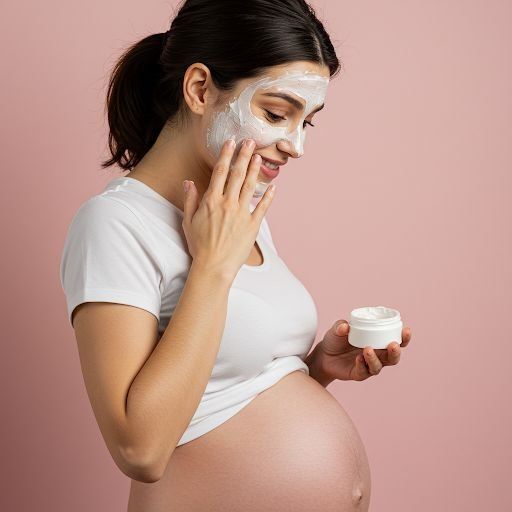
Pregnancy-related melasma is commonly called the mask of pregnancy.
For many women:
Timeline: 3–6 months postpartum
As hormones stabilize, pigmentation often begins to fade naturally.
However, not everyone experiences complete clearing.
Some women continue to struggle with pigmentation years after pregnancy.
Breastfeeding Considerations
Not all pigmentation treatments are suitable during breastfeeding.
Women should consult a dermatologist before using:
- Prescription retinoids
- Hydroquinone
- Certain chemical peels
Professional guidance is especially important during this stage.
Personal Experience — What Waiting It Out Really Feels Like
One of the hardest aspects of treating pigmentation isn’t applying products.
It’s waiting.
Consider the experience of a woman in her late twenties dealing with dark pigmentation around her upper lip and chin. Determined to improve her skin, she invested in a dedicated routine and followed it carefully every day.
Three weeks later, she felt defeated.
The spots looked almost identical.
She wondered if the products were ineffective, if she’d wasted money, or if her pigmentation was simply impossible to treat.
After consulting a dermatologist, she learned something that changed her perspective: meaningful pigmentation improvement often requires two complete skin cycles, which can mean 12–18 weeks or longer.
Once she adjusted her expectations, she stopped checking the mirror obsessively and focused on consistency instead.
Months later, the changes became noticeable.
Her story reflects what countless people experience. The emotional burden of covering pigmentation with makeup, avoiding photos, and feeling self-conscious is real. Yet the biggest challenge is often trusting the process long enough for biology to do its work.
Why Pigmentation Lasts Longer on Indian Skin
One reason many Indians feel frustrated with pigmentation treatment is that Indian skin naturally produces more melanin than lighter skin tones.
Melanin helps protect the skin from UV damage, but it also means that any inflammation—whether from acne, waxing, threading, or even a small scratch—can trigger excess pigment production.
This is why:
- Acne marks often linger for months.
- Dark spots may appear darker after breakouts.
- Waxing or threading can leave temporary pigmentation.
- Even minor skin irritation can cause discoloration.
The good news is that Indian skin generally responds very well to consistent treatment. Ingredients such as niacinamide, Vitamin C, azelaic acid, tranexamic acid, alpha arbutin, and retinoids can significantly improve pigmentation when used correctly.
However, because Indian skin is more prone to PIH, aggressive treatments and over-exfoliation often backfire. A gentle, consistent routine usually delivers better long-term results than trying multiple strong products at once.
Frequently Asked Questions
How long does it take for hyperpigmentation to fade naturally?
Most mild-to-moderate hyperpigmentation fades within 3–12 months with consistent sun protection and time.
How can I fade pigmentation fast?
Use proven ingredients such as Vitamin C, niacinamide, retinoids, and daily SPF 50+. Avoid triggering additional inflammation and remain consistent.
Why is my pigmentation not fading?
Common reasons include ongoing sun exposure, hormonal triggers, inconsistent product use, incorrect diagnosis, or insufficient treatment time.
How long does it take for dark spots to fade with Vitamin C?
Most people notice improvement within 8–16 weeks when using a stable Vitamin C serum consistently.
How long does it take for hyperpigmentation to fade with niacinamide?
Visible improvement typically appears between 8–12 weeks of regular use.
Does hyperpigmentation get darker before it fades?
Yes. This can happen when starting retinoids or during temporary skin purging phases. It is often a normal part of the adjustment process.
How do Koreans get rid of hyperpigmentation?
Through layered brightening routines, strict sun protection, barrier-focused skincare, and ingredients such as niacinamide, tranexamic acid, and arbutin.
Does pigmentation go away permanently?
Post-inflammatory hyperpigmentation and sun spots often can. Melasma usually requires ongoing management to prevent recurrence.
Conclusion
Ultimately, if you’re still asking how long does pigmentation take to fade, remember that pigmentation improvement is measured in months, not days.
So, how long does pigmentation take to fade? The reality is that pigmentation fading is a slow biological process, not a quick cosmetic fix. Mild post-inflammatory hyperpigmentation may improve within 3–6 months, while deeper pigmentation such as melasma can take a year or longer and may require ongoing maintenance.
The most important thing to remember is that skin needs time to renew itself. Seeing little or no change after three weeks doesn’t mean you’re failing—it simply means your skin hasn’t completed enough renewal cycles yet.
With consistent sunscreen use, evidence-based ingredients, and realistic expectations, most people begin to see meaningful improvement within a few months. Stay patient, trust the process, and remember that the people who achieve the best results are often the ones who keep going when progress feels invisible.
Have questions about how long does pigmentation take to fade for your specific skin type? Leave a comment below and share your experience.
What’s Next?
Want faster and smarter results?
Read our related guides:
- Best Ingredients for Hyperpigmentation: What Actually Works
- How to Build a Skincare Routine for Dark Spots
- Niacinamide vs Vitamin C for Pigmentation
Have your own pigmentation journey? Leave a comment below and share what’s worked for you. You can also join our newsletter for weekly skincare tips, science-backed ingredient guides, and practical advice for achieving healthier, brighter skin.