
 By
By A consistent skincare routine is one of the most effective ways to maintain healthy, glowing skin. However, many people wonder whether they really need separate Morning vs. Night Skincare Routine steps. Isn’t one routine enough?
The answer is simple: your skin has different needs during the day and at night. A well-planned Morning vs. Night Skincare Routine ensures your skin receives the right care at the right time. While your morning skincare routine focuses on protecting your skin from environmental damage, your nighttime routine is dedicated to repairing and rejuvenating your skin as you sleep.
Understanding the difference between a Morning vs. Night Skincare Routine can help you maximize the effectiveness of your skincare products and achieve healthier, more radiant skin over time.
In this comprehensive guide, you’ll learn why a Morning vs. Night Skincare Routine is essential, the correct order of skincare products, and how to customize your regimen based on your unique skin type.

Why Morning and Night Skincare Routines Are Different
Your skin works differently depending on the time of day.
During the day, your skin is constantly exposed to:
- UV rays
- Air pollution
- Dirt and dust
- Sweat
- Oil production
- Blue light from electronic devices
At night, your skin enters repair mode. Blood flow increases, collagen production accelerates, and damaged skin cells begin regenerating.
Because of these differences, your skincare products should serve different purposes depending on the time of day.
Benefits of a Morning Skincare Routine

A morning skincare routine prepares your skin for the day ahead.
Its primary goals include:
- Protecting against UV damage
- Preventing moisture loss
- Reducing oil production
- Shielding the skin from pollution
- Keeping skin hydrated throughout the day
A proper morning routine creates the perfect foundation for makeup while keeping your skin fresh and healthy.
Step-by-Step Morning Skincare Routine
Step 1: Cleanser

Start with a gentle cleanser to remove sweat, oil, and bacteria that accumulated overnight.
Choose:
- Gel cleanser for oily skin
- Cream cleanser for dry skin
- Gentle foaming cleanser for combination skin
Avoid harsh cleansers that strip your natural oils.
Step 2: Toner (Optional)

A toner helps balance your skin’s pH level and prepares it for the next skincare products.
Look for ingredients like:
- Hyaluronic Acid
- Rose Water
- Niacinamide
- Green Tea Extract
Avoid alcohol-based toners if you have dry or sensitive skin.
Step 3: Vitamin C Serum

Vitamin C is one of the most recommended morning skincare ingredients.
Benefits include:
- Brightens skin
- Reduces pigmentation
- Protects against free radicals
- Improves collagen production
- Evens skin tone
Apply a few drops before moisturizer.
Step 4: Moisturizer
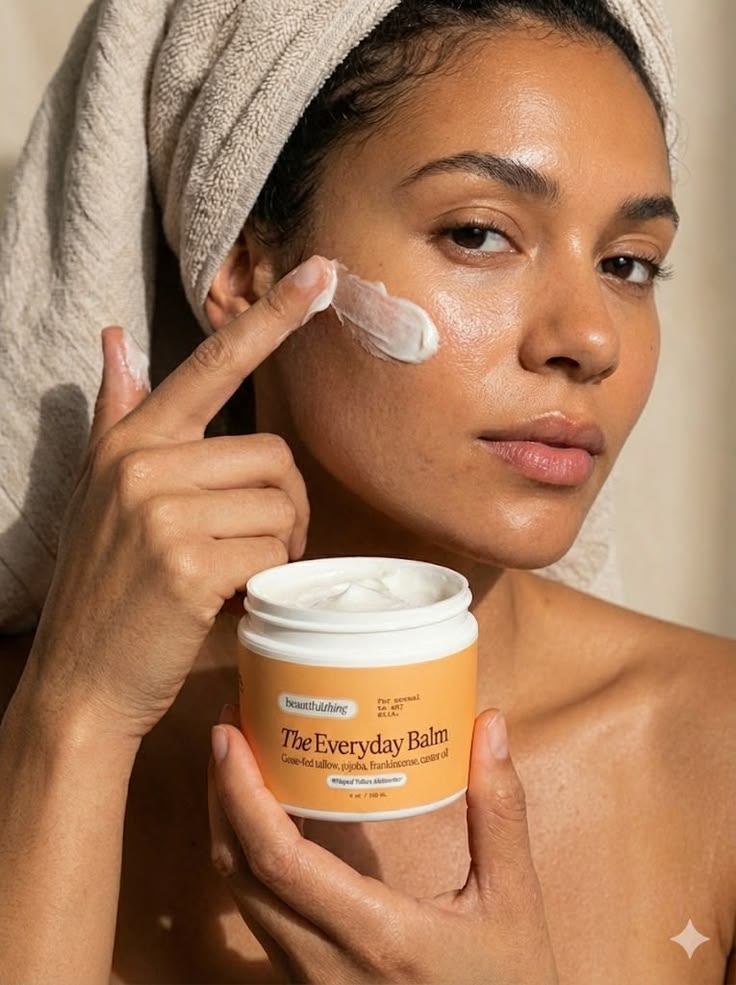
Even oily skin needs hydration.
A moisturizer helps:
- Lock in moisture
- Strengthen the skin barrier
- Prevent dryness
- Keep skin soft throughout the day
Choose lightweight moisturizers for oily skin and richer creams for dry skin.
Step 5: Sunscreen (Most Important)

Never skip sunscreen.
UV rays are one of the biggest causes of:
- Premature aging
- Wrinkles
- Hyperpigmentation
- Sunburn
- Skin cancer
Use:
- SPF 30 or higher
- Broad-spectrum sunscreen
- Water-resistant formula if needed
Reapply every two hours when outdoors.
Benefits of a Night Skincare Routine

Nighttime is when your skin naturally repairs itself.
A proper evening routine helps:
- Repair skin damage
- Boost collagen production
- Reduce acne
- Fade dark spots
- Restore hydration
- Improve skin texture
This is also the best time to use active ingredients.
Step-by-Step Night Skincare Routine
Step 1: Remove Makeup

If you wear makeup or sunscreen, start with a cleansing oil or micellar water.
Removing makeup completely prevents:
- Clogged pores
- Acne
- Blackheads
- Skin irritation
Double cleansing helps remove:
- Dirt
- Oil
- Sunscreen
- Sweat
- Pollution
Clean skin allows skincare products to penetrate more effectively.
Step 3: Exfoliation (2–3 Times Weekly)
Exfoliation removes dead skin cells and promotes smoother skin.
Types include:
Physical Exfoliants
Use gentle scrubs without harsh particles.
Chemical Exfoliants
Ingredients include:
- Glycolic Acid
- Lactic Acid
- Salicylic Acid
Avoid over-exfoliating as it may damage your skin barrier.
Step 4: Treatment Serum
Night is ideal for targeted treatments.
Popular ingredients include:
Retinol

Helps:
- Reduce wrinkles
- Improve skin texture
- Minimize acne
- Stimulate collagen
Niacinamide

Benefits:
- Controls oil
- Brightens skin
- Reduces redness
- Minimizes pores
Hyaluronic Acid
Provides intense overnight hydration.
Step 5: Night Moisturizer

Night creams are generally richer than daytime moisturizers.
They help:
- Repair the skin barrier
- Reduce moisture loss
- Nourish skin overnight
Step 6: Eye Cream (Optional)

The delicate eye area benefits from targeted hydration.
Eye creams may help reduce:
- Puffiness
- Fine lines
- Dark circles
- Dryness
Morning vs. Night Skincare Routine Comparison
| Morning Routine | Night Routine |
|---|---|
| Protects skin | Repairs skin |
| Includes sunscreen | No sunscreen needed |
| Uses Vitamin C | Uses retinol and treatments |
| Lightweight moisturizer | Rich moisturizer |
| Focuses on prevention | Focuses on recovery |
Best Ingredients for Morning Skincare
The following ingredients work best during the day:
- Vitamin C
- Niacinamide
- Hyaluronic Acid
- Ceramides
- Antioxidants
- Sunscreen
These protect your skin from environmental stressors.
Best Ingredients for Night Skincare
Nighttime is ideal for stronger active ingredients.
These include:
- Retinol
- Peptides
- Glycolic Acid
- Salicylic Acid
- Lactic Acid
- Ceramides
They help repair damaged skin while you sleep.
Skincare Routine by Skin Type
Oily Skin

Morning:
- Gel cleanser
- Niacinamide serum
- Oil-free moisturizer
- Sunscreen
Night:
- Double cleanse
- Salicylic acid
- Lightweight moisturizer
Dry Skin

Morning:
- Cream cleanser
- Hyaluronic Acid serum
- Rich moisturizer
- Sunscreen
Night:
- Gentle cleanser
- Hydrating serum
- Thick moisturizer
Combination Skin

Use lightweight products while targeting oily areas separately.
Balance hydration without making the skin greasy.
Sensitive Skin

Avoid products with:
- Alcohol
- Artificial fragrance
- Harsh scrubs
Choose calming ingredients such as:
- Aloe Vera
- Ceramides
- Oat Extract
- Panthenol
Common Skincare Mistakes to Avoid
Many people unknowingly damage their skin by making these mistakes:
- Skipping sunscreen
- Sleeping with makeup on
- Using too many active ingredients
- Over-exfoliating
- Not moisturizing oily skin
- Frequently changing skincare products
- Ignoring patch testing
Consistency is far more important than using expensive products.
How Long Before You See Results?
Skincare takes patience.
Typical timelines include:
- Hydration: 1–7 days
- Acne improvement: 4–8 weeks
- Brightening: 6–8 weeks
- Wrinkle reduction: 3–6 months
Stay consistent for the best results.
Tips for Building an Effective Skincare Routine
To maximize your skincare results:
- Use products in the correct order.
- Introduce one new product at a time.
- Wear sunscreen every day.
- Drink enough water.
- Get sufficient sleep.
- Maintain a balanced diet.
- Avoid touching your face frequently.
- Clean makeup brushes regularly.
Healthy skin is supported by healthy lifestyle habits.
Frequently Asked Questions (FAQs)
Should I wash my face twice a day?
Yes. Cleansing in the morning removes overnight oil and sweat, while cleansing at night removes makeup, sunscreen, dirt, and pollution.
Can I use Vitamin C at night?
Yes, but Vitamin C is generally more beneficial in the morning because it helps protect the skin from free radical damage throughout the day.
Can I use retinol every night?
Beginners should start with two or three nights per week and gradually increase usage as their skin adapts.
Is sunscreen necessary indoors?
Yes. UVA rays can penetrate windows, and prolonged exposure to natural light indoors may still contribute to skin aging.
Which is more important: morning or night skincare?
Both are equally important. Morning skincare protects your skin, while nighttime skincare repairs and restores it.
Conclusion
A dedicated morning and night skincare routine is the foundation of healthy, radiant skin. While your morning routine shields your skin from UV rays, pollution, and daily environmental stressors, your nighttime routine focuses on repair, hydration, and renewal.
The key to achieving long-lasting results isn’t using the most expensive products—it’s using the right products consistently. Start with the essentials: a gentle cleanser, moisturizer, and sunscreen in the morning, then cleanse thoroughly and use nourishing treatments at night.
Remember that skincare is a long-term commitment. With patience, consistency, and products suited to your skin type, you’ll be well on your way to a healthier complexion that looks and feels its best every day.