
 By
By If you’ve ever looked into the mirror after finally getting rid of a stubborn pimple, only to notice a dark spot or an uneven dent staring back at you, you’re not alone.
For many people, the battle doesn’t end when acne disappears. The marks and scars left behind can linger for months—or even years—affecting confidence just as much as active breakouts.
The truth is, many people use the terms acne marks and acne scars interchangeably, but they are not the same thing. Understanding the difference is the first step toward choosing the right treatment. What works wonders for acne marks may do very little for acne scars, and vice versa.
In this comprehensive guide, you’ll learn everything you need to know about Acne Marks vs Acne Scars, including what causes them, how to identify them, the best treatment options, and practical skincare tips—especially for Indian skin, which is naturally more prone to pigmentation after inflammation.
Whether you’re struggling with red spots, brown pigmentation, or textured scars, this guide will help you make informed skincare decisions and move
one step closer to healthier, clearer skin.
Why Understanding Acne Marks vs Acne Scars Matters
One of the biggest skincare mistakes people make is treating every post-acne spot the same way.
Imagine applying brightening serums for months, hoping to remove a deep acne scar. Or spending thousands on laser treatments when your skin only has temporary pigmentation that would have faded with proper skincare.
Knowing the difference saves you:
- Time
- Money
- Frustration
- Unnecessary skincare products
- Risk of damaging your skin
Once you understand what you’re dealing with, choosing the right treatment becomes much easier.
What Are Acne Marks?
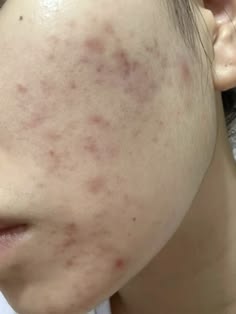
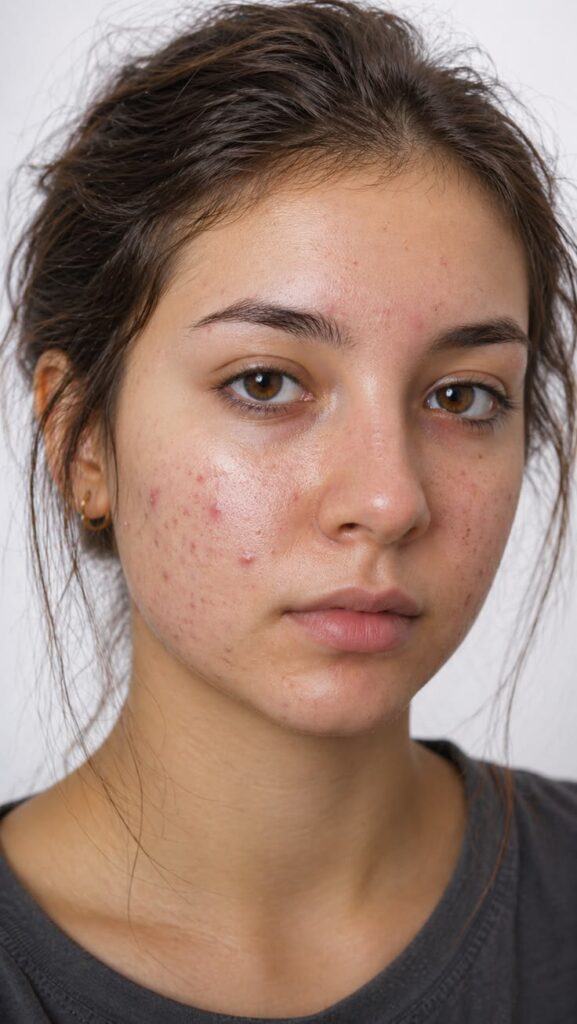
Acne marks are flat discolorations left behind after a pimple heals. Unlike scars, they don’t change your skin’s texture. When you run your fingers across the area, your skin feels smooth.
These marks develop because acne causes inflammation. During the healing process, your skin either produces excess pigment or leaves behind redness from damaged blood vessels.
Fortunately, acne marks usually fade over time with proper skincare and sun protection.
Common Types of Acne Marks
Post-Inflammatory Hyperpigmentation (PIH)
This appears as:
- Brown spots
- Dark brown patches
- Greyish pigmentation
- Black marks
PIH is extremely common among Indian, Asian, Middle Eastern, and deeper skin tones because these skin types naturally produce more melanin.
Post-Inflammatory Erythema (PIE)
Instead of brown spots, some people develop:
- Pink spots
- Red marks
- Purple discoloration
These are caused by tiny damaged blood vessels beneath the skin rather than excess melanin.
What Are Acne Scars?
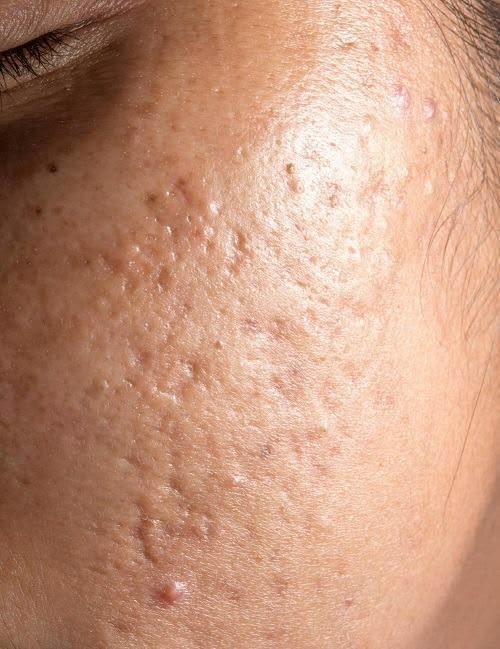
Unlike acne marks, acne scars involve permanent structural changes to the skin.
Instead of simply changing skin colour, scars affect the skin’s texture because collagen is either lost or produced excessively during healing.
Acne scars form when severe inflammation damages deeper layers of the skin.
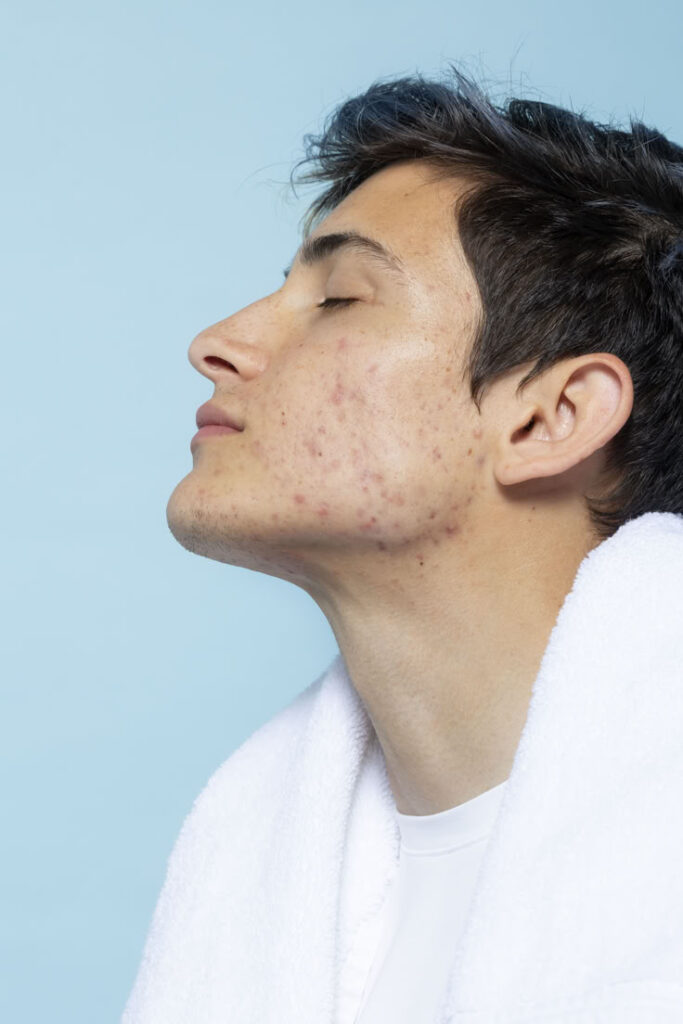
Your body tries to repair this damage by producing collagen. If too little collagen is produced, depressed scars develop. If too much collagen is produced, raised scars appear.
Because scars involve changes beneath the skin’s surface, they generally require professional treatments to improve significantly.
Types of Acne Scars
Understanding your scar type is essential because each one responds differently to treatment.
Ice Pick Scars
Ice pick scars are:
- Deep
- Narrow
- Small
- Sharp-looking
They extend deep into the skin, making them one of the most difficult acne scars to treat.
These usually develop after severe inflammatory acne or cystic pimples.
Boxcar Scars
Boxcar scars have:
- Clearly defined edges
- Wider appearance
- Flat bottoms
- Round or oval shape
They’re often found on the cheeks and temples.
Rolling Scars
Rolling scars create:
- Uneven skin texture
- Gentle waves
- Soft depressions
- Shadowing under certain lighting
Instead of sharp edges, they give skin a rolling appearance.
Hypertrophic Scars
These scars are raised above the skin surface because the body produces too much collagen during healing.
They often occur on:
- Chest
- Jawline
- Back
- Shoulders
Unlike depressed scars, hypertrophic scars protrude outward.
Acne Marks vs Acne Scars: Key Differences
Understanding the differences at a glance can prevent months of ineffective treatment.
| Feature | Acne Marks | Acne Scars |
|---|---|---|
| Appearance | Brown, red, or pink spots | Dents or raised skin |
| Texture | Smooth | Uneven |
| Cause | Pigmentation or redness | Collagen damage |
| Temporary? | Usually yes | Often permanent without treatment |
| Can skincare help? | Yes | Limited improvement |
| Professional treatment needed? | Sometimes | Usually yes |
A simple way to check at home is to gently close your eyes and run your fingertips across the area.
- If it feels completely smooth, you’re likely dealing with acne marks.
- If you notice dips, pits, or raised areas, they’re more likely acne scars.
What Causes Acne Marks and Acne Scars?
Although both begin with acne, the healing process determines whether you end up with temporary marks or lasting scars.
Causes of Acne Marks
Acne marks usually appear because inflammation stimulates pigment-producing cells called melanocytes.
Common triggers include:
- Inflamed pimples
- Hormonal acne
- Sun exposure
- Delayed acne treatment
- Skin irritation
- Picking at pimples
Sun exposure can make existing pigmentation much darker and slower to fade.
Causes of Acne Scars
Scars develop when inflammation damages collagen deep within the skin.
Risk factors include:
- Severe acne
- Cystic acne
- Nodular acne
- Delayed treatment
- Frequent picking or squeezing pimples
- Genetics
People with a family history of acne scarring often have a higher risk of developing permanent scars.
How Do I Tell If My Acne Will Scar?
This is one of the most common questions dermatologists hear.
While there’s no guaranteed way to predict scarring, certain warning signs increase your chances.
You may be more likely to develop acne scars if:
- Your pimples are painful and deep
- You have cystic acne
- Acne takes weeks to heal
- You frequently pick at breakouts
- Pimples bleed after squeezing
- Previous acne has already left textured scars
If your acne is leaving dents instead of flat spots, it’s important to seek treatment early. Treating inflammatory acne promptly can significantly reduce the likelihood of permanent scarring.
Hyperpigmentation Acne Marks vs Acne Scars
Many people confuse hyperpigmentation with scarring because both remain after acne heals.
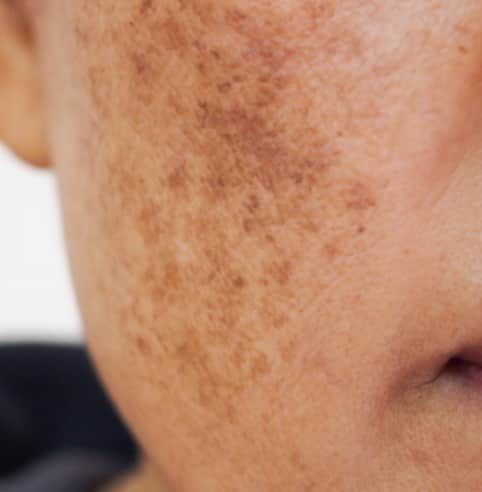
Here’s the simplest way to remember the difference:
Hyperpigmentation changes the colour of your skin.
Scarring changes the shape of your skin.
Hyperpigmentation is caused by excess melanin production after inflammation, while scars result from collagen damage beneath the skin.
For Indian skin tones, hyperpigmentation is far more common than redness because melanin-producing cells are naturally more active.
That is why sunscreen and pigment-fading ingredients are especially important in any skincare routine aimed at treating acne marks.
Acne Marks vs Acne Scars on Face: Why the Face Is Most Affected
The face is one of the most common areas for both acne marks and acne scars because it has a high concentration of oil glands. Breakouts on the cheeks, forehead, chin, and jawline are often more inflamed due to excess sebum, hormonal fluctuations, and environmental exposure.
Facial skin is also exposed to sunlight every day, and UV rays can make acne marks darker and more persistent. This is why daily sunscreen isn’t just about preventing sunburn—it’s one of the most effective ways to stop acne marks from becoming more noticeable.
If you’re currently dealing with pigmentation after acne, you may also enjoy reading our guide “How Long Does Pigmentation Take to Fade? (Real Timelines + What Actually Works)” : “Read Now”
Why Indian Skin Is More Prone to Acne Marks
One unique challenge for Indian skin is post-inflammatory hyperpigmentation (PIH). Because Indian skin generally contains more melanin, even a small pimple can leave behind a dark mark that lasts for months.
The good news is that these marks are often treatable with patience, consistent skincare, and diligent sun protection. However, using harsh home remedies or scrubbing the skin aggressively can worsen pigmentation instead of improving it.
Choosing gentle, evidence-based ingredients and sticking to a consistent routine is often more effective than constantly switching products.
How Do I Remove Acne Marks?
One of the most common questions people ask is, “How do I remove acne marks?” The answer depends on understanding that acne marks are usually caused by excess pigment or redness—not damaged skin tissue.
Unlike acne scars, acne marks can fade significantly with the right skincare routine, consistency, and patience. There’s no overnight miracle, but there are ingredients backed by science that can noticeably improve your skin over time.
The key is to focus on repairing your skin barrier, reducing inflammation, preventing further pigmentation, and protecting your skin from UV damage.
1. Wear Sunscreen Every Single Day
If there’s one product you should never skip, it’s sunscreen.
Many people spend hundreds or even thousands on serums while forgetting that sun exposure keeps acne marks darker for longer.
Even on cloudy days, UV rays stimulate melanin production, making post-acne pigmentation more stubborn.
Look for:
- SPF 50 or higher
- Broad-spectrum protection
- Lightweight, non-comedogenic formula
- PA++++ rating for maximum UVA protection
Daily sunscreen won’t remove existing marks overnight, but it prevents them from getting worse and allows your brightening products to work effectively.
2. Vitamin C
Vitamin C remains one of the most trusted ingredients for fading pigmentation.
It works by:
- Reducing melanin production
- Brightening dull skin
- Fighting free radical damage
- Supporting collagen production
- Improving overall skin radiance
For beginners, using Vitamin C in the morning beneath sunscreen is a great way to gradually improve uneven skin tone.
If you’d like to dive deeper into this ingredient, check out our complete guide on Vitamin C for Indian Skin, where we explain how to choose the right concentration and avoid common mistakes.
3. Niacinamide
Niacinamide is one of the most beginner-friendly skincare ingredients available.
Benefits include:
- Reduces post-acne pigmentation
- Controls excess oil
- Strengthens the skin barrier
- Minimizes redness
- Helps prevent future breakouts
Unlike stronger actives, niacinamide is usually well tolerated, making it suitable for sensitive skin.
4. Azelaic Acid
Azelaic acid is often recommended by dermatologists because it addresses multiple concerns at once.
It can help:
- Fade acne marks
- Reduce inflammation
- Improve redness
- Prevent clogged pores
- Calm active acne
This makes it an excellent option for people who are still experiencing breakouts while treating old pigmentation.
5. Retinoids
Retinoids encourage faster skin cell turnover, allowing pigmented cells to shed more quickly.
Over time, they can:
- Improve uneven skin tone
- Stimulate collagen production
- Reduce acne
- Smooth skin texture
- Fade post-inflammatory pigmentation
Because retinoids can initially cause dryness, they’re best introduced gradually under professional guidance if you’re new to them.
6. Gentle Chemical Exfoliation
Chemical exfoliants such as AHAs help remove dead skin cells from the surface, revealing brighter, healthier-looking skin underneath.
Popular options include:
- Glycolic Acid
- Lactic Acid
- Mandelic Acid
Over-exfoliating won’t make marks disappear faster—in fact, it often irritates the skin and makes pigmentation worse.
Consistency always beats intensity.
Do Marks From Acne Go Away?
Yes—in most cases, acne marks do go away, although the timeline varies from person to person.
Factors that affect healing include:
- Skin tone
- Sun exposure
- Severity of inflammation
- Skincare routine
- Whether you picked the pimple
- Genetics
Here’s a general idea of what to expect:
| Type | Approximate Time to Fade |
|---|---|
| Red marks (PIE) | 3–12 months |
| Mild brown marks | 2–6 months |
| Deep pigmentation | 6–18 months |
Remember, these are average timelines. Some people notice improvement sooner, while others require additional treatments or prescription products.
If you’re wondering why your pigmentation seems to linger, our article “How Long Does Pigmentation Take to Fade? (Real Timelines + What Actually Works)” explains exactly what influences recovery and how to speed up the process safely.
Acne Marks Removal Cream: Do They Really Work?
The skincare aisle is filled with creams promising to erase acne marks in just a few days.
While some products can genuinely help, many rely on unrealistic marketing claims.
A good acne marks removal cream should contain ingredients like:
- Niacinamide
- Vitamin C
- Azelaic Acid
- Alpha Arbutin
- Tranexamic Acid
- Retinol (for suitable skin types)
No cream can erase pigmentation overnight, but consistent use over several months often leads to noticeable improvement.
Avoid products containing harsh bleaching agents unless prescribed by a dermatologist.
Acne Marks vs Acne Scars Treatment
Now that we’ve covered acne marks, let’s talk about treating acne scars.
Because scars involve structural damage beneath the skin, skincare products alone usually cannot remove them completely.
Instead, dermatologists often recommend professional procedures tailored to the type and severity of the scar.
Treatments for Acne Marks
Treatment options may include:
- Prescription creams
- Chemical peels
- Brightening serums
- Sunscreen
- Microneedling (for selected cases)
- Gentle laser treatments
The goal is to reduce pigmentation, improve skin tone, and prevent new marks from forming.
Treatments for Acne Scars
Acne scars often require a combination approach.
Microneedling
Microneedling creates controlled micro-injuries in the skin using tiny needles.
This stimulates:
- Collagen production
- Skin remodeling
- Improved texture
- Gradual softening of scars
Several sessions are usually required to achieve meaningful improvement.
Chemical Peels
Medical-grade chemical peels can improve superficial acne scars while also reducing pigmentation.
Different acids target different concerns, so professional evaluation is important before starting treatment.
TCA CROSS
TCA CROSS (Chemical Reconstruction of Skin Scars) is particularly effective for deep ice-pick scars.
A high concentration of trichloroacetic acid is applied directly inside the scar to stimulate collagen production.
Over multiple sessions, the scar gradually becomes shallower.
Laser Treatments
Laser resurfacing remains one of the most advanced options for treating acne scars.
Different laser technologies can:
- Stimulate collagen
- Improve texture
- Reduce discoloration
- Smooth uneven skin
Recovery time depends on the type of laser used.
Subcision
Rolling scars often develop because fibrous bands pull the skin downward.
Subcision releases these bands beneath the skin, allowing the depressed area to lift naturally over time.
It’s frequently combined with microneedling or laser treatments for enhanced results.
Can Cetaphil Remove Acne Scars?
Many people search online, “Can Cetaphil remove acne scars?”
The honest answer is no.
Cetaphil products are designed to cleanse, moisturize, and support the skin barrier. They can be an excellent part of a skincare routine, especially for sensitive or acne-prone skin, but they do not remove established acne scars.
That said, maintaining a healthy skin barrier is still important. Well-hydrated skin responds better to active treatments and professional procedures.
Think of Cetaphil as a supportive product—not a scar treatment.
How to Remove Pimple Scars Naturally: Myth vs Reality
The internet is full of DIY remedies claiming to erase scars in a week.
Unfortunately, there is no natural remedy proven to permanently remove acne scars within seven days.
Some popular home remedies include:
- Aloe vera
- Honey
- Turmeric
- Rosehip oil
- Green tea
While these ingredients may soothe the skin or support hydration, they cannot rebuild lost collagen or completely erase textured scars.
If a product promises to remove deep scars in just a few days, it’s wise to be skeptical.
Healthy skin is built through patience, consistency, and evidence-based care—not quick fixes.
Support Your Skin from the Inside Out
Beautiful skin isn’t created by serums alone.
Lifestyle habits play an equally important role in your skin’s healing process.
Focus on:
- Getting enough sleep
- Managing stress
- Eating antioxidant-rich foods
- Staying hydrated
- Avoiding smoking
- Following a consistent skincare routine
Small daily habits often make the biggest difference over time.
If you’re building a complete skincare routine, don’t miss our guide “Morning vs. Night Skincare Routine: What’s the Difference and Why You Need Both”. It explains how your skin’s needs change throughout the day and how to make the most of your skincare products.
You may also enjoy “Modern Ayurveda and Clean Beauty: 15 Powerful Secrets for Radiant, Sustainable Skin”, where we explore how traditional wisdom and modern skincare science can work together for healthier skin.
Acne Marks vs Acne Scars Pictures: What Should You Look For?
Many people search for “Acne marks vs acne scars pictures” because visual differences are often easier to understand than medical definitions. While every person’s skin is unique, knowing what to look for can help you identify whether you’re dealing with temporary marks or permanent scars.
Acne Marks Usually Look Like:
- Flat red, pink, brown, or dark spots
- Smooth skin when touched
- Even skin texture under natural light
- Pigmentation that gradually fades with time
Acne Scars Usually Look Like:
- Visible dents or depressions
- Raised bumps on the skin
- Uneven texture that creates shadows
- Changes that remain even after pigmentation fades
A helpful tip is to stand near a window or under soft natural light. Tilt your face slightly from side to side. If you notice shadows or uneven contours, those are often signs of acne scars rather than simple pigmentation.
Common Mistakes That Make Acne Marks and Acne Scars Worse
Sometimes, the habits we adopt while trying to improve our skin actually slow down the healing process. Avoiding these mistakes can save you months of frustration.
1. Picking or Popping Pimples
We’ve all been tempted to squeeze a pimple before an important event. Unfortunately, this is one of the biggest reasons people develop long-lasting marks and scars.
Picking forces bacteria deeper into the skin, increases inflammation, and damages collagen, making permanent scarring much more likely.
2. Skipping Sunscreen
Sun exposure darkens pigmentation and slows the fading process. Even the best brightening serum can’t work effectively if your skin is constantly exposed to UV damage.
Make sunscreen a non-negotiable part of your morning routine.
3. Using Too Many Active Ingredients
It’s easy to think that using multiple exfoliating acids, retinoids, and brightening serums together will produce faster results.
In reality, overloading your skin often damages the skin barrier, leading to irritation, redness, and even more pigmentation.
Remember: Healthy skin heals faster than irritated skin.
4. Expecting Overnight Results
Skincare is a journey, not a race.
Acne marks often take weeks or months to fade, while acne scars usually require professional treatments and multiple sessions to improve.
Consistency will always outperform quick fixes.
How to Prevent Acne Marks and Acne Scars
The best treatment is prevention. Reducing inflammation early can significantly lower the chances of developing stubborn pigmentation or permanent scars.
Here are some dermatologist-approved prevention tips:
- Treat acne as soon as it appears.
- Avoid picking or squeezing pimples.
- Use non-comedogenic skincare products.
- Wear sunscreen every day.
- Keep your skin moisturized to support barrier repair.
- Introduce active ingredients gradually.
- Seek professional advice for severe or cystic acne.
Early intervention is especially important if you have a history of acne scarring or if acne runs in your family.
When Should You See a Dermatologist?
While mild acne marks often improve with a good skincare routine, there are situations where professional help is the best option.
Consider consulting a dermatologist if:
- Your acne is painful or cystic.
- You notice deep pits or raised scars.
- Pigmentation isn’t improving after several months.
- Over-the-counter products aren’t helping.
- Acne continues to leave new marks after every breakout.
A dermatologist can accurately diagnose your skin and recommend treatments that are both safe and effective for your skin type.
Final Thoughts: Your Skin Can Heal
Living with acne marks or acne scars can be emotionally exhausting. You may feel like every breakout leaves behind another reminder, making it difficult to feel confident in your own skin.
But here’s something important to remember:
Your skin is constantly healing.
Acne marks are often temporary, and with the right ingredients, daily sun protection, and a consistent routine, they can gradually fade. Acne scars may take longer to improve, but today’s dermatological treatments offer more options than ever before to soften their appearance and restore smoother skin.
Instead of chasing miracle cures or comparing your skin to perfectly filtered images online, focus on building habits that support long-term skin health. Gentle care, patience, and realistic expectations will always give better results than harsh treatments or viral skincare hacks.
Every small step—whether it’s applying sunscreen, resisting the urge to pick a pimple, or following a consistent routine—is an investment in healthier skin. Progress may be slow, but it is still progress.
Be kind to your skin. It has been protecting you every single day, and with the right care, it can continue to heal and thrive.
Frequently Asked Questions (FAQs)
1. What is the main difference between acne marks and acne scars?
Acne marks are flat areas of discoloration caused by inflammation, while acne scars are permanent changes in skin texture caused by collagen damage.
2. Do acne marks disappear naturally?
Yes. Most acne marks gradually fade over time, especially when protected from sun exposure and treated with ingredients such as Vitamin C, Niacinamide, or Azelaic Acid.
3. Can acne scars disappear without treatment?
Mild scars may soften slightly over time, but most acne scars require professional treatments like microneedling, laser therapy, TCA CROSS, or subcision for noticeable improvement.
4. How long do acne marks take to fade?
Depending on the depth of pigmentation and your skin type, acne marks may take anywhere from two months to over a year to fade completely.
5. Which is harder to treat: acne marks or acne scars?
Acne scars are generally more challenging because they involve structural damage beneath the skin. Acne marks are usually easier to improve with consistent skincare and sun protection.
6. Can Vitamin C remove acne marks?
Vitamin C can help brighten post-inflammatory hyperpigmentation and improve overall skin tone. While it won’t erase marks overnight, regular use can noticeably reduce discoloration over time.
7. Can home remedies remove acne scars naturally?
There is no scientific evidence that home remedies can permanently remove acne scars. Some natural ingredients may soothe the skin, but deep scars usually require dermatologist-guided treatments.
External Reference
For additional medical information on this topic, you can also read:
Clear Skin Clinic – Distinguishing Acne Marks from Acne Scars: https://www.clearskin.in/blog/acne-marks-acne-scars-difference/